Many homebuyers overlook important details that can significantly impact the cost of their mortgage. By educating yourself on these key factors, you can make informed choices that will save you thousands over the life of your loan. From understanding interest rates to optimizing your credit score, this guide will walk you through the steps to becoming a savvy mortgage shopper. For a deeper investigate the basics, check out Mortgage 101: Basics Every Home Buyer Should Know.
What is a Mortgage?
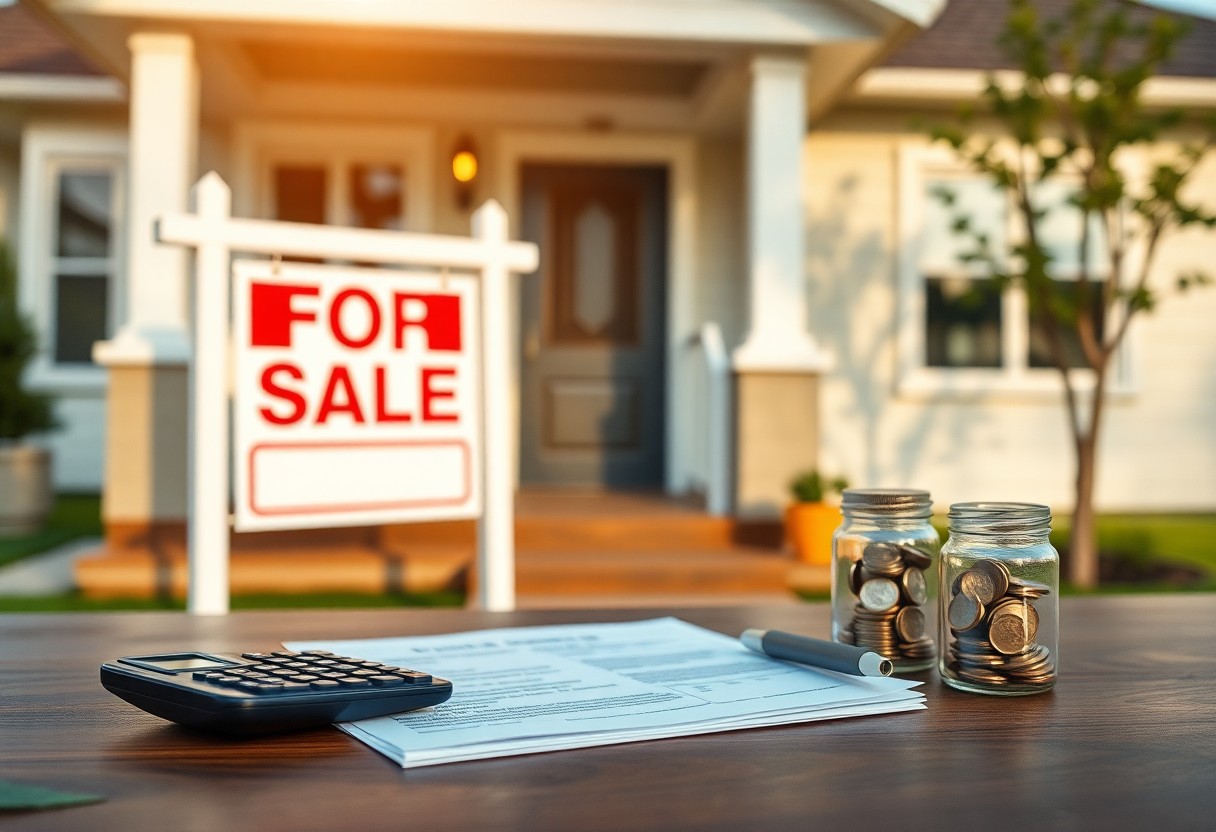
Your mortgage is a loan specifically designed for purchasing a home, where the property itself serves as collateral. Typically, this arrangement allows you to borrow a significant amount of money, which you repay over a fixed period, usually 15 to 30 years. Mortgages enable you to own a home without needing to pay the full purchase price upfront, making homeownership more accessible.
Types of Mortgages
There are several types of mortgages available to you, each with its own characteristics and benefits that can suit your financial situation. Understanding these can help you make an informed choice.
- Conventional Loans
- FHA Loans
- VA Loans
- USDA Loans
- Jumbo Loans
After exploring the types of mortgages, you can better determine which option aligns with your financial goals.
| Type | Description |
| Conventional Loans | Standard loans not insured by government agencies. |
| FHA Loans | Government-backed loans designed for low-to-moderate income borrowers. |
| VA Loans | No down payment loans for veterans and active military personnel. |
| USDA Loans | Loans for rural property buyers with low-to-moderate income. |
| Jumbo Loans | Loans exceeding conforming loan limits, for high-value properties. |
Fixed vs. Adjustable Rates
Types of mortgages can also be categorized by their interest rate structure, either fixed or adjustable. A fixed-rate mortgage maintains a consistent interest rate throughout the life of the loan, ensuring predictable monthly payments. Conversely, adjustable-rate mortgages (ARMs) have interest rates that can fluctuate based on market conditions, initially offering lower payments but with potential increases over time.
Due to the varying structures of fixed and adjustable-rate mortgages, it's imperative to assess your financial stability and future plans. Fixed-rate mortgages offer stability and peace of mind, while adjustable-rate mortgages may provide lower initial payments but come with risks of increasing costs. Carefully consider your options and consult with a mortgage professional to find the best fit for your needs.
Key Factors Influencing Mortgage Rates
If you’re in the market for a mortgage, understanding the key factors that influence rates can be pivotal in saving you money. These elements play a significant role in determining how much you'll pay in interest over the life of your loan:
- Credit Score
- Down Payment Amount
- Loan Type
- Market Conditions
After analyzing these factors, you can make informed decisions that help reduce your overall home-buying costs.
Credit Score
For many lenders, your credit score is one of the primary factors in deciding your mortgage rate. A higher credit score often translates to lower interest rates, as it signals to lenders that you are a lower-risk borrower. Maintaining a good credit history and managing your debts effectively can positively impact your financial standing.
Down Payment Amount
The amount you put down on your new home can significantly affect your mortgage rate. Generally, a larger down payment reduces the risk for lenders, potentially leading to more favorable terms on your loan. This means you could secure a lower interest rate or avoid private mortgage insurance (PMI), further lowering your monthly payment.
Factors such as the percentage of the home’s purchase price that you can contribute upfront can determine not only your mortgage rate but also the overall financial picture of your home purchase. A down payment of 20% or more can typically earn you better rates, while lesser amounts may increase your monthly payments and require additional fees. Assessing your financial situation will help you formulate a strategy that aligns with your goals while maximizing savings.
Understanding Loan Terms and Conditions
Now that you’re considering a mortgage, it's important to grasp the loan terms and conditions. These elements can significantly impact your financial commitment and overall cost. Understanding the fine print ensures you make informed decisions, ultimately saving you thousands over the life of your loan.
Amortization Period
With the amortization period, you determine how long it will take to repay your mortgage in full. This period typically ranges from 15 to 30 years. A shorter amortization period means higher monthly payments, but you'll pay less in interest over time, while a longer duration lowers your monthly costs, yet increases total interest paid.
Prepayment Penalties
Prepayment penalties can apply if you pay off your mortgage early or make large payments toward your principal. These fees are designed to compensate lenders for lost interest income. Understanding your loan’s prepayment terms allows you to strategize your payments effectively and potentially avoid costly penalties.
Another vital aspect of prepayment penalties is that they vary by lender and loan type. Some mortgages may offer flexibility with no prepayment penalties, allowing you to pay off your balance sooner without additional costs. Investigating your mortgage options ensures you choose a plan that aligns with your financial goals, especially if you anticipate making extra payments in the future.
The Importance of Shopping Around
Despite the overwhelming options available, shopping around for your mortgage can greatly impact your financial future. By comparing rates and terms from various lenders, you can potentially save thousands over the life of your loan. Consider reading How to Save Thousands of Dollars on Your Home Mortgage for deeper insights into effective strategies that can lower your mortgage costs.
Comparing Lenders
Comparison of Lender Features
| Lender | Features |
|---|---|
| Lender A | Competitive rates, low fees, online application |
| Lender B | Fixed and adjustable-rate options, great customer service |
| Lender C | Offers first-time homebuyer incentives, quick closing |
Negotiating Terms
By actively negotiating your mortgage terms, you can often secure a better deal than what is initially offered. Don't hesitate to ask lenders for lower rates or reduced fees, as many are willing to accommodate your requests to remain competitive.
The key to successful negotiation lies in research. The more informed you are about current market rates and terms, the better positioned you will be to leverage this information in discussions with lenders. Be prepared to discuss alternatives you have found and don’t shy away from expressing your expectations clearly. This approach enhances your chances of getting favorable terms that align with your financial goals.
Hidden Costs of Home Purchase
Unlike many first-time homebuyers anticipate, the expenses involved in purchasing a home extend well beyond the listing price. You may encounter numerous hidden costs ranging from legal fees to inspections, which can significantly impact your overall financial commitment. Being aware of these additional expenses can better prepare you for your home purchase journey and help you avoid unexpected financial strain.
Closing Costs
About 2% to 5% of your mortgage will be spent on closing costs, which can include loan origination fees, appraisal fees, and title insurance. These costs can add up quickly, making it crucial for you to budget for them when estimating the total cost of buying your home. Always ask your lender for a detailed breakdown to avoid surprises at the closing table.
Ongoing Maintenance and Repairs
One of the often-overlooked aspects of homeownership is the ongoing maintenance and repair costs. It’s not just about your mortgage payment; you’ll need to consider routine upkeep, emergency repairs, and potential renovations that can arise as your property ages.
Plus, a good rule of thumb is to set aside 1% to 2% of your home's value each year for maintenance and repairs. This account will help you cover everything from simple fixes to more significant issues, ensuring that you don’t face financial strain when unexpected repairs come up. Being proactive can also preserve your property's value over time, making your investment worthwhile.
Tips for Saving Money on Your Mortgage
All potential homeowners should consider an array of strategies to lower their mortgage costs. Here are some effective tips:
- Shop around for interest rates
- Improve your credit score
- Make a larger down payment
- Choose a shorter loan term
Perceiving the long-term impacts of these tips can help you save significantly on your mortgage.
Refinancing Options
Beside the initial mortgage, exploring refinancing options can provide you with better rates and terms, especially if your financial situation improves after purchase.
Government Programs
The government offers various programs designed to assist homebuyers and lower costs associated with mortgages.
For instance, FHA loans require lower down payments and have more relaxed credit requirements, making homeownership more accessible. Additionally, VA loans offer favorable terms for veterans and active military members, including no down payment and no private mortgage insurance (PMI). USDA loans can help rural homebuyers with zero down payment options. These programs can significantly reduce your overall costs, ensuring you find the right support for your situation.
To wrap up
Hence, understanding the key factors that can influence your mortgage can help you save significantly when purchasing your home. By being informed about interest rates, loan types, and potential fees, you can make strategic decisions that benefit your financial future. To gain further insights, you may explore 7 Ways to Save Money on Your Mortgage. Equipping yourself with this knowledge ensures you maximize your savings and secure the best deal possible.
FAQ
Q: What are the most important factors to consider when choosing a mortgage type?
A: When choosing a mortgage type, several factors come into play. Firstly, consider your financial stability and whether you prefer a fixed or adjustable-rate mortgage. A fixed-rate mortgage offers predictable payments over the loan term, while an adjustable-rate mortgage may start with lower payments that can increase. Secondly, evaluate the length of the loan; a shorter term often has higher monthly payments but results in paying less interest overall. Lastly, assess any associated fees or penalties, such as closing costs or prepayment penalties, which can impact your overall savings. Understanding these aspects can help you make an informed choice that aligns with your financial goals.
Q: How does the interest rate affect the total cost of my mortgage?
A: The interest rate on your mortgage is one of the most significant factors influencing the total cost over the life of the loan. A lower interest rate means lower monthly payments and less interest paid overall. For instance, a difference of just a fraction of a percentage point can result in thousands of dollars saved in interest during the loan term. Additionally, the length of the mortgage and the total amount borrowed also play vital roles in determining the interest expenses. It's imperative to shop around for the best rates and negotiate if possible, as even a small reduction can make a substantial difference in what you ultimately pay for your home.
Q: What role does my credit score play in securing a mortgage?
A: Your credit score significantly impacts your ability to secure a mortgage and the terms you receive. Lenders evaluate your credit score to assess your creditworthiness and the risk of defaulting on the loan. A higher credit score generally leads to better loan terms, including lower interest rates and reduced fees. If your score is below a certain threshold, you may face difficulty securing a mortgage or receive unfavorable terms. It’s beneficial to check your credit report, dispute any inaccuracies, and work on improving your credit score before applying for a mortgage. By doing so, you can potentially save thousands over the life of the loan.


0 Comments