Most people underestimate the impact that tracking your expenses can have on your financial well-being. By understanding where your money goes, you can identify spending habits, uncover hidden costs, and ultimately make informed decisions that enhance your financial stability. This blog post will probe into effective strategies that empower you to take control of your finances through comprehensive expense tracking, transforming your financial outlook and paving the way for a more secure future.
The Importance of Expense Tracking
For anyone looking to gain control over their finances, tracking expenses is necessary. By meticulously documenting where your money goes, you can identify spending patterns, prioritize necessary expenditures, and discover unnecessary costs. This awareness enables you to make informed decisions, ultimately leading to better financial health and a more sustainable lifestyle.
Understanding Your Spending Habits
Understanding your spending habits is the first step toward financial empowerment. By evaluating your expenses regularly, you can pinpoint areas where you might overspend or recognize patterns that may not align with your financial goals. This self-awareness sets the foundation for smarter spending decisions in the future.
The Impact on Financial Health
At the core of effective money management lies the impact of expense tracking on your financial health. By maintaining a clear understanding of your income and expenses, you can work toward achieving your financial goals with increased confidence.
Plus, tracking your expenses can significantly reduce financial stress. You become proactive in managing your budget, ensuring that you are living within your means, and avoiding debt. This practice empowers you to save for future needs, invest wisely, and ultimately enhance your overall quality of life. The clearer your financial picture, the more equipped you are to handle unexpected expenses and future financial opportunities.
Tools and Resources for Effective Tracking
It’s crucial to utilize the right tools and resources for effective expense tracking. With the right approach, you can streamline your financial management process and gain a clearer picture of where your money is going. Various apps, software, and traditional methods can help you maintain control over your finances, ensuring you make informed spending decisions and achieve your financial goals.
Apps and Software Options
Around the digital landscape, numerous apps and software options can help simplify your expense tracking journey. From intuitive mobile applications like Mint and YNAB (You Need A Budget) to comprehensive desktop software such as Quicken, these tools automate data entry and provide insightful analyses of your spending patterns. By integrating your bank accounts and providing real-time updates, they empower you to stay on top of your financial goals effortlessly.
Traditional Methods: Spreadsheets and Journals
Tracking your expenses using traditional methods like spreadsheets or journals can provide a tactile and personalized approach to managing your finances. While digital tools are convenient, these manual methods offer flexibility in organizing your data according to your preferences, allowing you to create a system that suits your lifestyle.
Methods like using spreadsheets enable you to customize your categories, formats, and calculations easily, allowing for dynamic tracking of your expenses. Journaling your daily expenditures can offer an intimate understanding of your spending habits, and can help identify patterns you might overlook with automated tools. Whether you prefer a detailed spreadsheet or a simple notebook, these traditional techniques foster a disciplined financial mindset and can enhance your budgeting skills as you engage more with your personal finances.
Setting Up an Expense Tracking System
Keep your financial health in check by creating an effective expense tracking system. Begin by choosing the right tools, whether it's a spreadsheet, an app, or pen and paper. The key is consistency; ensure that your system is easy to use and fits seamlessly into your daily routine. Once you have a setup in place, you will be empowered to see where your money goes and how you can optimize your spending.
Categorizing Your Expenses
Expenses should be organized into clear categories such as housing, transportation, groceries, and entertainment. By breaking down your spending, you’ll quickly identify areas where adjustments may be needed. Assigning each expense to a category allows you to assess your overall financial health and enables you to create more targeted budgets moving forward.
Establishing a Routine
At the beginning of your expense tracking journey, setting a routine is vital to staying on top of your finances. Dedicating specific times each week to record and review your expenses will reinforce the habit. This routine keeps you engaged with your spending patterns, offers valuable insights, and helps you identify trends over time.
Another key aspect of establishing a routine is to choose a time that works best for you, whether it's at the end of each day or week. Consistency not only helps you stay organized but also makes it easier to pinpoint unexpected expenses or variations in your spending habits. As you regularly review your expenses, you'll gain a deeper understanding of your financial habits, making it simpler to reach your financial goals.
Strategies for Reducing Unnecessary Expenses
Many individuals find it challenging to manage their finances effectively, which is why focusing on reducing unnecessary expenses is key. Begin by examining your spending habits closely and identify areas that can be trimmed. For more insights, check out the Top 9 Tips for Expense Tracking. By implementing these strategies, you can enhance your financial health and prioritize more important expenses.
Identifying Discretionary Spending
By assessing your monthly expenses, you can pinpoint discretionary spending that may be adding strain to your budget. Look for subscriptions, entertainment, or dining out that you could minimize or eliminate. By tracking these expenses, you can gain clarity on where you can make cuts without impacting your important needs.
Implementing Budgeting Techniques
One effective way to manage your finances is by implementing budgeting techniques that work for you. Start by categorizing your expenses into fixed, variable, and discretionary categories. This will give you a clearer picture of your financial landscape and help you allocate funds more effectively.
A popular budgeting method is the 50/30/20 rule, which suggests allocating 50% of your income to needs, 30% to wants, and 20% to savings and debt repayment. By adhering to a structured plan, you can take control of your finances, reduce unnecessary spending, and set yourself up for future financial stability. This approach not only limits excess spending but also encourages you to prioritize saving for your goals.
Reviewing and Analyzing Your Data
All expense tracking efforts culminate in the review and analysis of your data. By regularly examining your spending patterns and comparing them to your budget, you can identify areas for improvement and adjust your financial strategy. This process not only enhances your understanding of where your money goes but also empowers you to make informed decisions, ultimately leading to better financial health.
Monthly and Yearly Reviews
Behind every successful financial plan is a consistent review routine. Conducting monthly and yearly reviews of your expenses allows you to gauge your financial progress. During these reviews, you can spot trends, celebrate your successes, and address any overspending. This practice establishes a constructive feedback loop to ensure that you remain on track toward your financial goals.
Adjusting Your Budget Based on Insights
Monthly reviews of your expense tracking can reveal valuable insights that warrant adjustments to your budget. By understanding fluctuations in spending, you can allocate funds more effectively, ensuring you're prioritizing necessary expenses while curtailing non-vital spending.
Also, adjusting your budget based on these insights ensures that your financial plan evolves with you. Take the time to reallocate funds according to your current needs and lifestyle changes. This strategy not only helps in mitigating overspending but also fosters financial resilience, enabling you to achieve your goals with confidence and clarity.
The Psychological Benefits of Expense Tracking
After exploring into expense tracking, you’ll discover that it enhances your financial awareness and shifts your mindset towards a healthier relationship with money. By actively monitoring your spending patterns, you cultivate a sense of empowerment and accountability, leading to informed financial decisions. To learn more about practical approaches, explore this insightful article on How To Track Your Spending And Slay Your Finances.
Building Financial Confidence
Beside understanding your spending habits, tracking your expenses instills confidence in your financial abilities. As you set budgets and achieve monetary goals, you build a sense of accomplishment that reinforces positive money management behaviors.
Reducing Financial Stress
Around your efforts in expense tracking, you'll notice a significant reduction in anxiety related to money. Knowing where your finances stand can help eliminate the fear of unexpected expenses and allow you to approach financial situations with clarity.
It’s imperative to acknowledge how expense tracking can provide peace of mind. By mapping out your financial landscape, you create a safety net that prepares you for unplanned costs, easing the burden of anxiety associated with money. Consequently, you empower yourself to handle financial challenges confidently, leading to a more satisfying financial journey.
Final Words
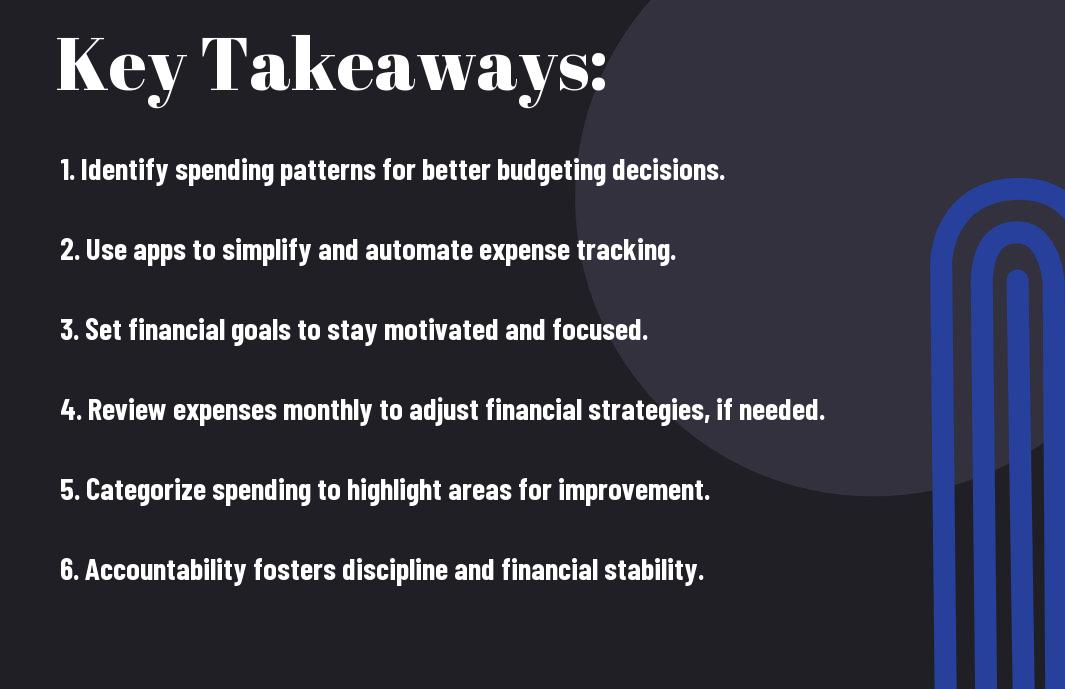
With these considerations, you can harness the power of expense tracking to take control of your finances effectively. By implementing the strategies discussed, you position yourself to identify spending patterns, set realistic budgets, and achieve your financial goals. Consistently tracking your expenses not only builds accountability but also empowers you to make informed decisions that benefit your financial health. Start today, and you'll find that mastering your money is achievable and important for a secure financial future.
Q: What are the benefits of tracking my expenses?
A: Tracking your expenses allows you to gain a clearer understanding of where your money is going each month. This practice can help identify unnecessary spending habits, leading to better budgeting strategies. Additionally, it can empower you to set realistic financial goals, whether saving for a purchase, paying off debt, or investing for the future. Ultimately, tracking expenses leads to increased financial awareness and the ability to make informed decisions regarding your finances.
Q: How can I start tracking my expenses effectively?
A: To start tracking your expenses, you can follow these steps: First, choose a method that works for you, such as a budgeting app, a spreadsheet, or simply pen and paper. Next, set a designated time each week or month to record your expenses. It's helpful to categorize your spending, like groceries, entertainment, and utilities, to understand where adjustments may be needed. Lastly, review your spending regularly to identify patterns and make necessary changes to your budget. Consistency is key to making tracking an effective tool for financial management.
Q: What strategies can I implement to stick to my budget while tracking expenses?
A: To stick to your budget while tracking expenses, consider implementing the following strategies: Set realistic budget limits for each category based on your spending history. Use the envelope system, allocating cash for discretionary categories, which can prevent overspending. Additionally, establish automatic transfers to savings or investment accounts, treating them as fixed expenses. Regularly review your goals and adjust your budget as required to reflect changes in income or expenses. Finally, seek accountability by sharing your financial goals with a trusted friend or family member, which can help you stay on track.


0 Comments