Bill viewing and understanding the e-Way Bill system is crucial for your business operations in the logistics and transportation sector. This comprehensive guide will help you grasp the concept of e-Way Bills, their significance, and the rules you need to follow. Whether you are a transporter, consignor, or consignee, knowing how e-Way Bills function will streamline your compliance processes. For more detailed information, check out this E-Way Bill: A Complete Guide.
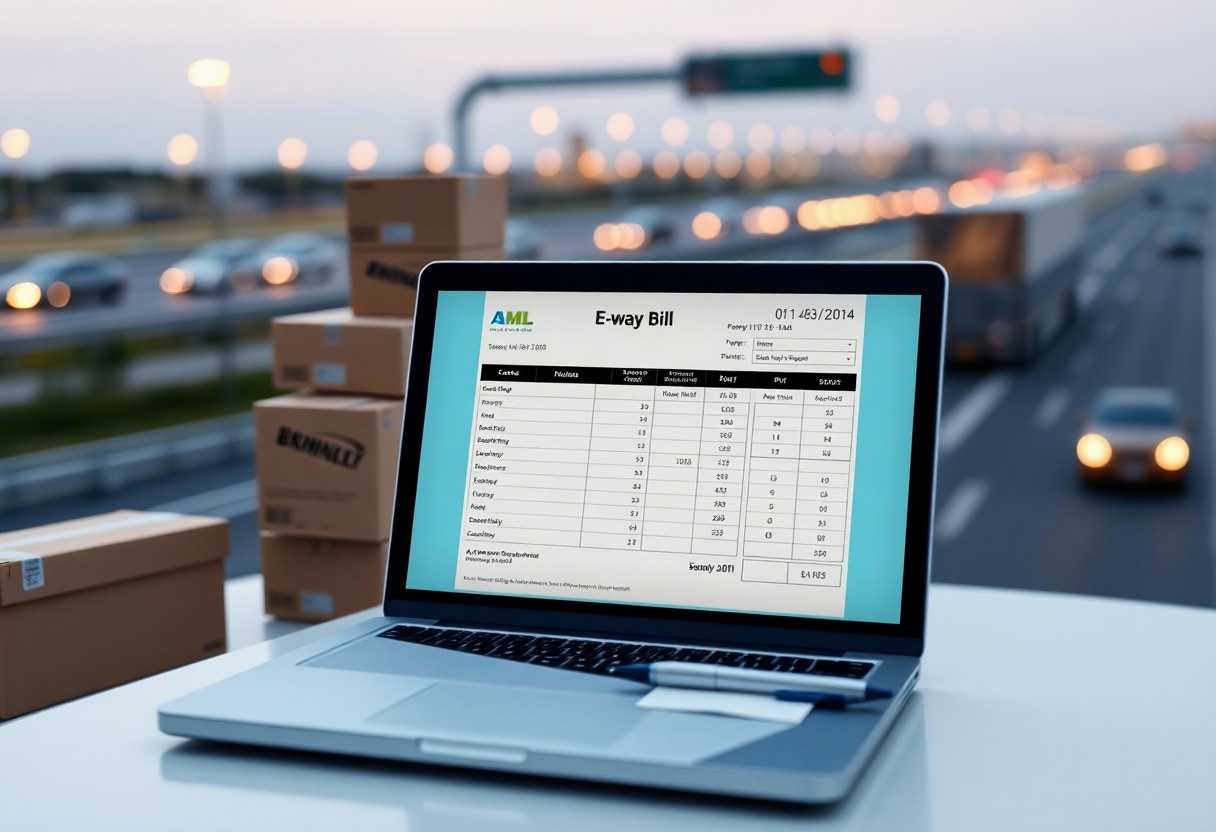
What Is an e-Way Bill?
For anyone involved in transporting goods in India, understanding an e-Way Bill is necessary. It is an electronic document generated on the GST portal, designed to facilitate the movement of goods over specific distances. The e-Way Bill is mandatory for certain consignments and serves as proof of the legitimacy of the shipment during transit, making compliance smoother for businesses.
Definition
To define it simply, an e-Way Bill is a digital record generated under the Goods and Services Tax (GST) regime. It includes critical details about the goods being transported, such as the item’s value, type, and the journey's start and end points. This document must be carried by the transporter to ensure a legal and streamlined transportation process.
Purpose and Importance
Around businesses engaged in the movement of goods, the e-Way Bill system plays a key role in simplifying compliance with tax regulations. It ensures that the transportation of goods is traceable and legitimate, thus helping avoid tax evasion and ensuring revenue assurance for the government.
Definition of an e-Way Bill also highlights its significance in the logistics and supply chain sectors. It contributes to faster movement of goods across state borders, thereby reducing delays caused by checks and documentation. Additionally, having an e-Way Bill enhances the transparency of transactions, making it easier for you to maintain records for accounting and tax purposes. This not only keeps you compliant with GST regulations but also instills confidence among your customers that you adhere to all legal standards in your trade operations.
Who Needs an e-Way Bill?
Clearly, if you are involved in the transport of goods worth over a specified value, you need to be aware of e-Way bills. This electronic document is necessary for smooth movement and compliance with tax regulations. It is primarily required for the movement of goods within India, specifically when the shipment value exceeds the threshold established by the government. Ensuring you have an e-Way Bill will facilitate timely delivery and help you avoid potential penalties.
Businesses Required to Generate e-Way Bills
Bills must be generated by any registered taxpayer when transporting goods exceeding the prescribed monetary threshold. This includes businesses involved in manufacturing, retail, and wholesale sectors. Whether you operate a small enterprise or a large corporation, ensuring compliance with e-Way bill regulations is significant to your logistics and supply chain operations.
Exemptions and Special Cases
An e-Way Bill is not required in certain situations, as defined by the regulations. These exemptions may apply to specific types of goods, movements below the threshold value, or in instances where you are transporting goods for certain government-related activities. Understanding these exemptions can save you time and resources in your shipping processes.
A few notable exemptions include transported goods worth less than the established limit, specific goods like milk or agricultural produce, and goods meant for personal use. Additionally, certain inter-state and intra-state movements may be excluded from e-Way bill requirements. By familiarizing yourself with these exceptions, you can streamline your operations and focus on what truly matters to your business.
Rules and Regulations Governing e-Way Bills
All businesses engaged in the transportation of goods must adhere to specific rules and regulations when it comes to e-Way Bills. These rules not only ensure compliance with tax laws but also streamline the movement of goods across states. You are required to understand the nuances of e-Way Bill regulations to avoid penalties and ensure a smooth transportation process.
Validity Period
Any e-Way Bill generated holds a validity period that varies based on the distance covered. For example, an e-Way Bill is valid for 1 day for distances up to 100 kilometers. You need to be cognizant of this timeline, as failing to comply can result in penalties and inconvenience during transport.
Documentation Requirements
eWay Bills necessitate certain documentation that you must carry during transportation. This typically includes the invoice, transport challan, and the e-Way Bill itself. Ensuring that you have all the necessary documents can save you from delays and regulatory issues during transit.
Another important aspect of documentation requirements is that the details in your e-Way Bill must match those in the accompanying invoices and transport documents. Discrepancies can lead to confusion and may trigger fines or inspections by authorities. It is advisable to double-check all details before initiating the transportation process to ensure seamless compliance.
How to Generate an e-Way Bill
To generate an e-Way Bill, you need to follow a systematic process that can be completed online. With the introduction of the e-Way Bill Portal by the GST network, you can easily create and manage your e-Way Bills, ensuring compliance with regulations and facilitating smooth transportation of goods.
Step-by-Step Process
Below is a step-by-step guide to generate an e-Way Bill:
| Step | Description |
| 1. | Visit the e-Way Bill Portal and log in using your credentials. |
| 2. | Select the option to generate a new e-Way Bill. |
| 3. | Enter the necessary details such as supply type, item details, and transport information. |
| 4. | Review the information and submit the e-Way Bill request. |
| 5. | Download and print the e-Way Bill for carrying during transport. |
Common Mistakes to Avoid
Against popular belief, generating an e-Way Bill can lead to errors that may cost you time and resources. Being attentive to detail is key to ensuring your e-Way Bill is accurate and valid.
Indeed, some common mistakes include providing incorrect transportation details, failing to match the e-Way Bill with the corresponding invoice, and overlooking the time validity of the e-Way Bill. It is important to double-check all the entered information before submission to avoid non-compliance issues. Additionally, always ensure your transportation details align with the actual movement of goods to prevent unnecessary complications during transit.
Consequences of Non-Compliance
Unlike other regulatory requirements, failing to comply with the e-Way Bill system can lead to severe consequences for your business. It is necessary to understand these repercussions to avoid unnecessary complications. If you seek more information about the What is E-way Bill: Rules, Applicability, Limit, Requirement ..., be sure to stay documented and compliant.
Penalties and Fines
Against non-compliance with e-Way Bill regulations, you may face significant penalties. Fines can vary based on the severity of the violation, leading to financial strain on your business. It's necessary to keep your records in order to avoid these costly repercussions.
Legal Implications
Implications of non-compliance extend beyond mere fines. You could face potential legal consequences, including lawsuits or additional scrutiny from regulatory bodies. Compliance with e-Way Bill requirements not only helps you avoid fines but also protects your business’s reputation and operational integrity.
Indeed, ensuring adherence to e-Way Bill regulations protects you from potential legal actions and maintains your credibility in the marketplace. Non-compliance may also result in your goods being detained or confiscated during transportation, further complicating your business operations. By staying informed and compliant, you safeguard your interests and foster a trustworthy relationship with authorities.
Frequently Asked Questions
Keep in mind that the e-Way Bill can be a complex topic for many. This section aims to address common questions and concerns, helping you navigate the requirements and procedures with clarity. Whether you're a business owner, transporter, or a curious individual, understanding the e-Way Bill will ensure compliance and streamline your logistics processes.
Common Queries
Along your journey to comprehend the e-Way Bill, you may encounter several queries. These typically include questions about who is required to generate an e-Way Bill, the specific formats involved, and how the cancellation process works. This section will tackle those issues, guiding you toward a better understanding of your responsibilities.
Clarifications on Misconceptions
About the e-Way Bill, misconceptions can often lead to confusion regarding its necessity and application. Many people mistakenly believe that only large businesses need to comply. In fact, any registered business engaged in the movement of goods exceeding a certain value must consider e-Way Bill requirements. Understanding these nuances will help you stay compliant and avoid potential penalties.
With various myths surrounding the e-Way Bill, it's vital to clarify that the system was designed to simplify the logistics landscape, not complicate it. Small businesses are equally required to adhere to e-Way Bill regulations if they meet the stipulated criteria. By informing yourself about the real obligations and processes, you can effectively manage your logistics and ensure that your business remains compliant without unnecessary complications.
To wrap up
Considering all points, an e-Way Bill is important for the movement of goods valued over INR 50,000 in India, facilitating better regulation and compliance in transportation. You, as a seller, transporter, or buyer, must understand who needs to generate this document and adhere to the associated rules to avoid penalties. Staying informed about the requirements ensures smoother logistics and prevents disruptions in your supply chain. By grasping the significance of e-Way Bills, you can enhance your business operations and align with government regulations effectively.
FAQ
Q: What is an e-Way Bill?
A: An e-Way Bill is an electronic document that is required for the movement of goods in India. It is generated on the GST portal when goods are transported from one location to another. The e-Way Bill contains details about the goods being transported, such as the type of goods, value, quantity, and the transporter's information. This document aims to enhance the efficiency of the transportation process and prevent tax evasion.
Q: Who is required to generate an e-Way Bill?
A: The e-Way Bill must be generated by registered taxpayers under GST who are transporting goods. This includes individuals or businesses that have a turnover exceeding the threshold limit as specified by the GST regulations. Additionally, the e-Way Bill is also required for unregistered suppliers when goods are supplied to a registered dealer. It applies regardless of the mode of transportation used, be it by road, rail, air, or sea.
Q: What are the conditions under which an e-Way Bill must be generated?
A: An e-Way Bill must be generated in certain situations, including: (1) when the value of the goods being transported exceeds ₹50,000, (2) when the goods are sent to another state, (3) when the goods are sent from one registered person to another, or (4) when the goods are being transported as per specific rules applicable under the GST Act. These conditions help ensure proper compliance and tracking of goods during transit.
Q: How long is an e-Way Bill valid for?
A: The validity of an e-Way Bill varies based on the distance covered during transportation. Generally, an e-Way Bill is valid for one day for every 100 kilometers for most goods. For instance, if the distance between the origin and destination is 400 kilometers, the e-Way Bill will be valid for four days. However, for specific types of goods, such as those that require temperature control, different rules may apply regarding its validity period.
Q: What are the penalties for not generating an e-Way Bill?
A: Failing to generate an e-Way Bill when required can lead to penalties under GST regulations. If a transporter is caught without an e-Way Bill, they may be subjected to confiscation of the goods and the vehicle. Additionally, a penalty of 100% of the tax payable on the goods can be imposed. The intent behind these penalties is to enforce compliance and ensure that all goods transported are properly accounted for in the tax regime.
Disclaimer:
This blog post is intended for informational and
general educational purposes only and does not constitute professional advice
in accounting, finance, tax, or legal matters. While efforts have been made to
ensure the information is accurate and up to date, financial laws, tax
regulations, and compliance


0 Comments