Most aspiring traders find the world of cryptocurrency both exciting and daunting. This beginner's guide will equip you with the necessary knowledge you need to navigate cryptocurrency trading effectively while integrating smart risk management tactics. You'll learn about the fundamentals of trading, tips for identifying opportunities, and strategies to protect your investment. By the end of this guide, you'll be better prepared to make informed decisions in the fast-paced world of cryptocurrency trading.
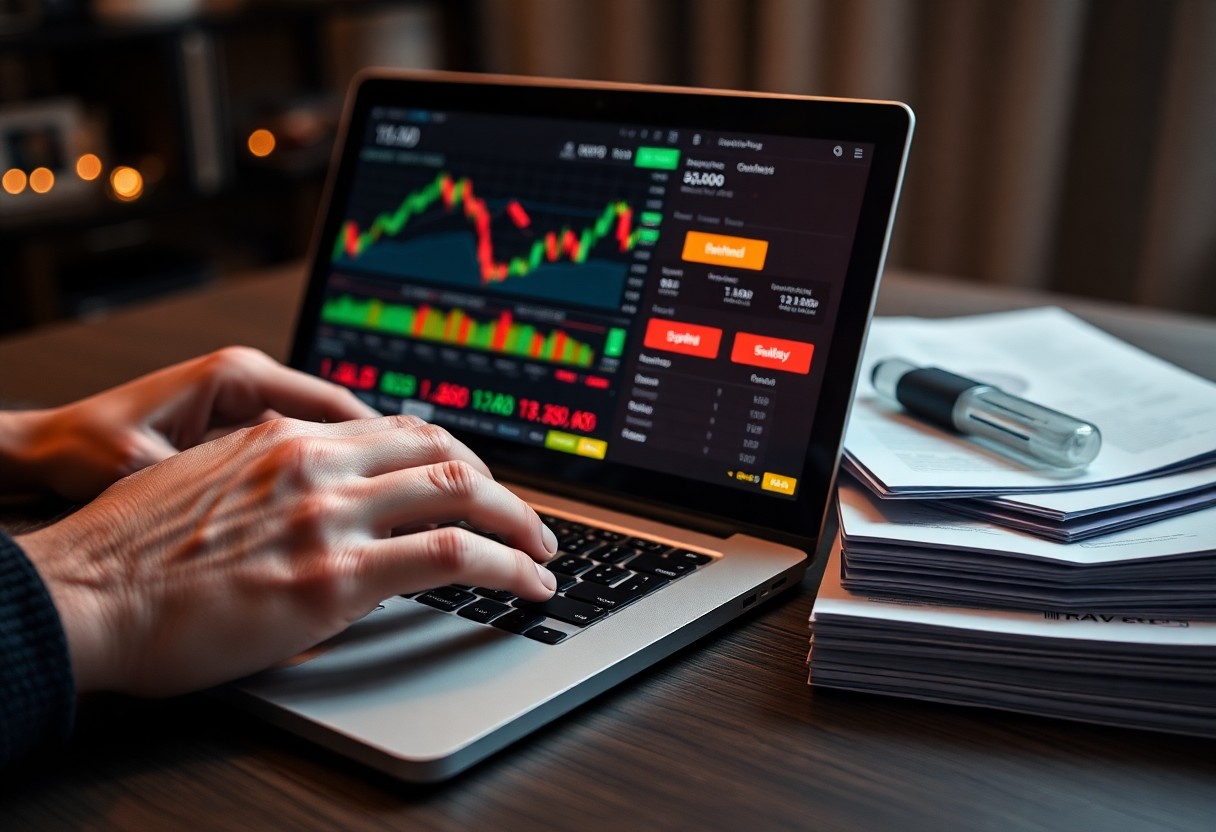
Demystifying Cryptocurrency: What You Need to Know
Cryptocurrency comes with its own language and complexities that can easily overwhelm newcomers. To grasp the basics, you should start by understanding key elements such as what cryptocurrencies are, how they differ from traditional money, and the technology behind them. A significant component is blockchain, the underlying infrastructure that allows cryptocurrencies to function. With a foundational knowledge of these aspects, you can navigate this digital landscape more confidently and make informed trading decisions.
The Blockchain Revolution and its Implications
The blockchain technology serves as the backbone for most cryptocurrencies, enabling secure, decentralized transactions without intermediaries. This transparency builds trust among users, as all transactions are publicly recorded and immutable. The implications are vast; industries from finance to supply chain are exploring blockchain to improve efficiency, reduce fraud, and create innovative business models. Understanding how blockchain operates will empower you in evaluating the long-term viability of various cryptocurrencies.
Key Features of Popular Cryptocurrencies
Each cryptocurrency possesses unique characteristics that set it apart. Popular options like Bitcoin, Ethereum, and Ripple offer varying features that cater to different needs. Here's a quick overview of their defining attributes:
- Bitcoin: Pioneering cryptocurrency; limited supply of 21 million coins; decentralized and peer-to-peer.
- Ethereum: Smart contract functionality; supports decentralized applications (dApps); no maximum supply.
- Ripple (XRP): Focused on facilitating cross-border payments; partnerships with financial institutions; fast transaction speeds.
Knowing these features can help you assess which cryptocurrencies align with your investment strategy or trading goals. Additionally, understanding their use cases may guide your decisions when market conditions shift.
Key Features of Popular Cryptocurrencies (Continued)
Diving deeper into more cryptocurrencies enhances your grasp on the options available. Coins like Litecoin, Cardano, and Polkadot also contribute unique advantages to the market. Here’s a consolidated list of their key features:
- Litecoin: Fast transaction confirmations; a limit of 84 million coins; often referred to as the silver to Bitcoin's gold.
- Cardano: Proof-of-stake consensus mechanism; focuses on sustainability and scalability; academic research-driven development.
- Polkadot: Facilitates interoperability between blockchains; offers scalable solutions; designed to enable various networks to operate together.
Knowing these key features allows you to make educated decisions when selecting cryptocurrencies to trade or invest in. Each coin’s advantages can play a significant role in how it performs against market fluctuations and technological advancements.
Charting Your Course: Developing a Trading Strategy
Establishing a solid trading strategy allows you to navigate the volatile cryptocurrency landscape with confidence. Your trading strategy should be tailored to your risk tolerance, investment goals, and preferred trading style. By developing a plan that outlines the parameters of your trades—such as entry points, exit targets, and stop-loss levels—you can minimize impulsive decisions driven by market emotions. A well-defined strategy not only sets the stage for your trades but also helps you to analyze your performance over time, making adjustments as necessary for continuous improvement.
Technical Analysis: Reading the Charts
Technical analysis focuses on the study of past price movements and trading volumes to forecast future trends. By examining various indicators—like moving averages, RSI, and MACD—you can gain insights into potential price movements. Chart patterns, such as head and shoulders or flags, can also reveal market sentiment and guide your trading decisions. Analyzing these elements allows you to identify entry and exit points effectively, helping you capitalize on profitable trades.
Fundamental Analysis: Evaluating the Market
Fundamental analysis involves assessing the intrinsic value of a cryptocurrency by considering relevant economic factors. This includes evaluating market demand, project development updates, regulatory news, and overall market sentiment. You should keep an eye on developments such as partnerships, technological upgrades, and macroeconomic indicators, as they can significantly impact a cryptocurrency’s value. Understanding these fundamentals enables you to make informed decisions based on the cryptocurrency's potential long-term viability rather than short-term price fluctuations.
For instance, if a cryptocurrency gains a significant partnership with a major payment processor, its potential adoption and market valuation could skyrocket. Similarly, regulatory changes in key markets can influence investor sentiment drastically, either strengthening or weakening a cryptocurrency's position. By staying updated on news and trends, you can contextualize price movements and make more strategic decisions about when to buy or sell. This method ensures your trading strategy aligns with not just numbers on a chart but the real-world dynamics influencing those numbers.
The Art of Timing: When to Enter and Exit Trades
Mastering the art of timing trades in cryptocurrency can significantly enhance your profitability. Entering a trade at the right moment can turn a potential loss into a win, while poorly timed entries and exits may lead to missed opportunities and losses. To improve your trading skills, explore resources like Mastering Risk Management in Crypto Trading: All You Need to Know. By observing market trends and utilizing various techniques, you can refine your timing strategy and make informed decisions.
Market Trends: Recognizing Patterns and Signals
Identifying market trends is vital for effectively entering and exiting trades. Patterns like head and shoulders, double tops, or flags can indicate potential price movements. By studying historical price data and chart formations, you develop an intuition for impending shifts. Utilize technical indicators such as moving averages or RSI to confirm these signals, aiding your decision-making process.
The Role of News and Events in Price Movements
Market dynamics are heavily influenced by news and events. Economic updates, regulatory changes, or breakthroughs in blockchain technology can trigger significant price shifts in cryptocurrencies. For instance, positive developments such as major partnerships or adoption news can lead to bullish trends, while negative coverage can cause panic selling. Staying updated on industry news is key to anticipating price movements and making timely trade decisions.
News plays a pivotal role in shaping cryptocurrency prices. Events like government regulations, tech advancements, or market sentiment shifts can lead to rapid fluctuations. For example, when Tesla announced its investment in Bitcoin, the price surged dramatically. Conversely, negative headlines, such as exchanges being hacked, trigger swift sell-offs. Monitoring reliable sources and social media channels helps you stay ahead of these events, empowering you to respond quickly when necessary.
Guarding Your Assets: Implementing Risk Management Tactics
Taking control of your investments means implementing effective risk management strategies. By actively guarding your portfolio, you can minimize potential losses and enhance your opportunities for profits. With volatility being a hallmark of the cryptocurrency market, understanding the tools available for risk management can significantly improve your overall trading experience. The right tactics enable you to navigate fluctuations and protect your assets while positioning yourself to capitalize on favorable movements.
Position Sizing: Balancing Potential Rewards and Risks
Determining the ideal position size for your trades is a fundamental step in managing risk. Position sizing helps you ascertain the amount of capital to allocate to a specific trade based on your total capital and risk tolerance. A common guideline is to risk no more than 1-2% of your trading capital on a single trade. By doing this, an unexpected downturn won't cripple your ability to continue trading, allowing you to stay in the game longer while seeking profitable opportunities.
Stop-Loss Orders: Protecting Your Investments
Utilizing stop-loss orders safeguards your investments by automatically selling a cryptocurrency when it reaches a predetermined price. This helps limit your losses and remove emotional decision-making from the equation. Without a stop-loss, one negative market movement can turn a minor setback into a significant loss. Many traders opt to set their stop-loss orders a few percentage points below their entry price, allowing for some market fluctuation while still protecting their capital.
For instance, if you buy Bitcoin at $40,000 and set a stop-loss at $38,000, your investment will automatically sell if the price drops to that level, limiting your loss to $2,000. This approach not only protects you from long-term declines but also provides peace of mind, letting you focus on other trades rather than watching the market constantly. Employing multiple stop-loss strategies, like trailing stops, provides additional flexibility, further enhancing the security of your investments in this dynamic trading landscape.
The Psychological Side of Trading: Mastering Emotions
Successfully navigating the cryptocurrency market goes beyond strategies and indicators; it requires mastering your emotions. Trading can evoke fear during downturns and foster greed during uptrends, which can cloud judgment and lead to impulsive decisions. Learning to recognize and control these emotions is a key aspect of becoming a proficient trader. As you engage with the market, developing emotional intelligence will empower you to stick to your trading plan and improve overall outcomes.
Overcoming Fear and Greed in Trading Decisions
Fear and greed often drive market fluctuations and influence your own trading choices. Recognizing these emotions as they arise is step one; you’ll find that fear may prevent you from making necessary trades, while greed can push you toward rash, high-risk investments. Establishing clear entry and exit strategies can help mitigate these reactions, empowering you to trade based on analysis rather than emotional impulses.
The Importance of Patience and Discipline
Patience and discipline play vital roles in successful trading strategies. Rushing decisions often results in missed opportunities or unnecessary losses, while waiting for the right market conditions can amplify your returns. Sticking to a well-defined trading plan allows you to avoid hasty actions spurred by market noise. With the volatility inherent to cryptocurrency, maintaining composure—especially in turbulent times—helps you cultivate a long-term perspective that is imperative for sustainable trading success.
Patience means waiting for the right signals, understanding that not every day brings a trading opportunity, and recognizing the market's ebbs and flows. Discipline requires adhering to your strategies and protocols, even when emotions tempt you to stray off course. For instance, setting pre-determined stop-loss orders shields you from impulsive decisions and protects your capital. Successful traders often cite discipline as a cornerstone of their achievements, enabling them to analyze market data without the influence of fleeting emotional states. Ultimately, patience and discipline can transform your trading experience, leading to consistent growth and minimized losses.
To wrap up
From above, you have discovered important strategies for navigating the world of cryptocurrency trading and the importance of risk management tactics. As you commence on your trading journey, ensure you stay informed and adjust your approach based on market dynamics. Explore resources like A Beginner's Guide to Day Trading Crypto - Gemini to deepen your understanding and refine your skills. By employing these tactics, you'll be better positioned to achieve your trading goals while minimizing potential setbacks.
FAQ
Q: What are the basic concepts I need to understand before starting cryptocurrency trading?
A: Before you investigate cryptocurrency trading, it's important to familiarize yourself with concepts like blockchain technology, wallets, exchanges, and trading pairs. Understanding how cryptocurrencies are bought, sold, and stored is imperative. Additionally, grasping market trends, market capitalization, and the differences between various crypto assets will help you make informed trading decisions.
Q: How can I develop a trading strategy that minimizes risk?
A: To develop a risk-minimizing trading strategy, consider setting clear goals and defining your risk tolerance. Utilize technical analysis to identify entry and exit points, and consider using stop-loss orders to limit potential losses. Diversifying your portfolio across different cryptocurrencies can also help manage risk. It's wise to start with smaller investments until you feel more confident in your trading abilities.
Q: What risk management tactics should I employ when trading cryptocurrencies?
A: Effective risk management tactics include setting a budget for trading and sticking to it, using stop-loss orders to prevent significant losses, and calculating the risk-reward ratio for each trade. Additionally, avoid investing all your capital in one asset and consider dollar-cost averaging as a way to mitigate the impact of market volatility over time. Keeping emotions in check when making trading decisions is also a key tactic.
Q: How can I stay updated on cryptocurrency market trends?
A: Staying updated on cryptocurrency markets is vital for successful trading. Follow reputable news sources, subscribe to cryptocurrency-focused newsletters, and engage in community forums. Utilize technical analysis tools and charting software to analyze price movements, and consider joining trading groups or social media platforms to exchange ideas with other traders. Regularly reviewing your trading performance can also provide insights into improving your strategies.
Q: What should I do if I experience significant losses in my trading activities?
A: If you encounter significant losses, it's important to take a step back and assess the situation calmly. Review your trading strategy to identify mistakes or areas for improvement. Analyze market conditions and factors that may have influenced your trades. It's also advisable to avoid emotional trading decisions during downturns. Learning from these experiences can help you refine your approach and develop better risk management strategies in future trading activities.


0 Comments