With the rise of online trading platforms, more individuals like you are seeking to harness the potential of day trading from the comfort of home. This guide aims to equip you with necessary knowledge and strategies to navigate the fast-paced world of day trading successfully. Whether you’re looking to supplement your income or pursue a full-time trading career, you’ll discover key principles, tools, and practices that can enhance your skills and boost your chances of success in this vibrant market.
Laying the Groundwork: Essential Tools and Resources
Establishing a successful day trading routine requires access to reliable tools and resources. The right technology and analytical platforms can significantly enhance your trading strategy, allowing you to make informed decisions in real-time. Getting familiar with the important tools will not only streamline your process but also strengthen your market insights as you navigate the bustling world of day trading from home.
The Must-Have Technology for Day Trading Success
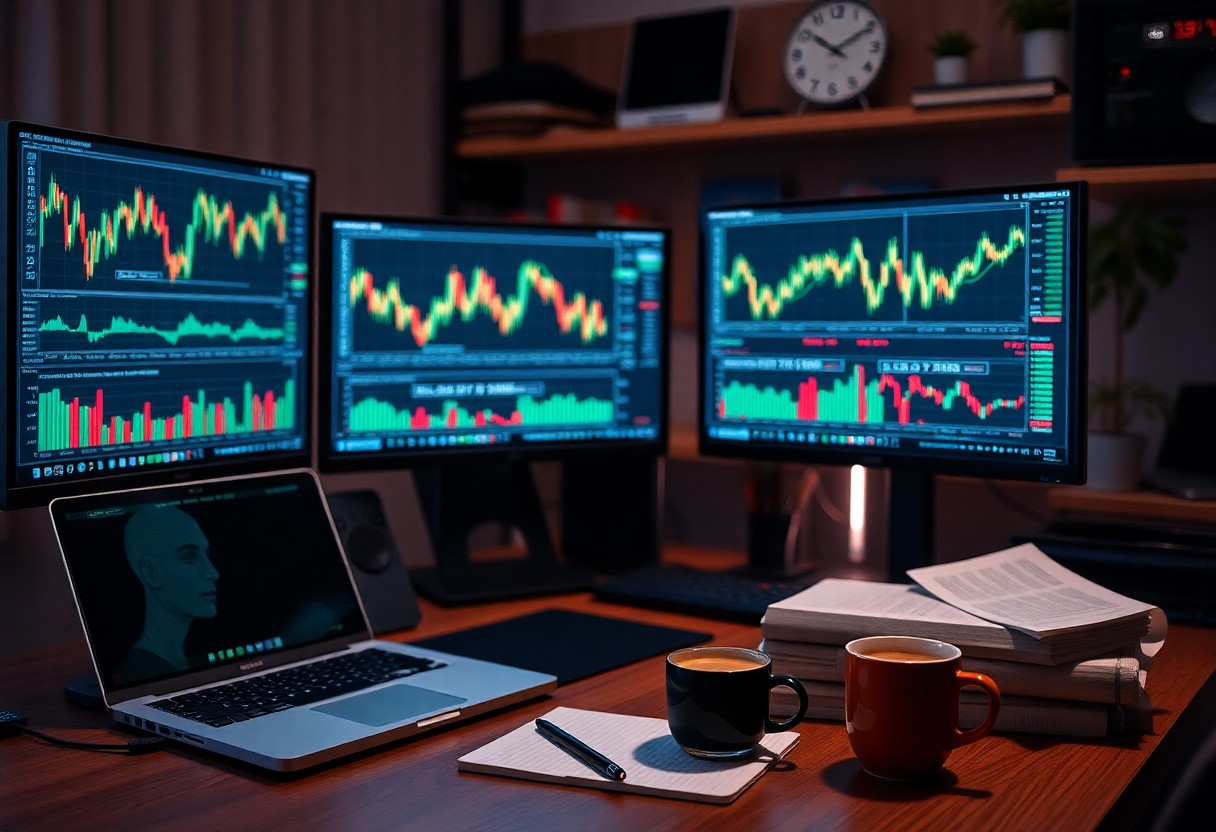
Start with a high-speed internet connection, as latency can hinder your ability to execute trades promptly. A powerful computer or laptop is equally vital to handle multiple trading applications and charts without performance issues. Additionally, consider investing in dual monitors to view multiple platforms and indicators simultaneously, enhancing your overall efficiency during trading hours.
Key Resources for Market Analysis and Research
Dive deep into market analysis by utilizing various resources that can guide your trading decisions. Websites like Yahoo Finance, Bloomberg, and Reuters provide real-time news updates and stock performance analytics. Furthermore, platforms like TradingView and StockCharts are instrumental in creating customizable charts and technical indicators, allowing you to visualize market movements effectively.
For comprehensive insights, economic calendars from sources like Investing.com and Forex Factory are invaluable. They offer updates on significant market events, such as earnings reports, interest rate changes, and geopolitical developments, which can impact stock prices. Additionally, subscribing to newsletters and following finance-focused YouTube channels can keep you informed about emerging trends and expert opinions, equipping you with the knowledge necessary for making strategic decisions in your trading activities.
Crafting Your Winning Strategy: Types and Techniques
Your day trading success relies heavily on the strategy you choose. There are several approaches to consider, including trend following, scalping, and range trading. Each type comes with its own set of techniques tailored for different market conditions and trading styles. Identifying which strategy aligns with your personality is vital in developing consistency. The following table outlines popular strategies and their key characteristics.
| Strategy | Description |
|---|---|
| Trend Following | Focuses on capitalizing on existing market trends. |
| Scalping | Involves making numerous small trades to gain incremental profits. |
| Range Trading | Tries to profit from stock price fluctuations in a specific range. |
| Momentum Trading | Involves buying stocks with strong upward trends or selling those in decline. |
| News Trading | Capitalizes on volatility following news releases or economic reports. |
The Art of Technical Analysis: Charting and Trends
Mastering technical analysis is instrumental in day trading, as it allows you to interpret price movements through charts and indicators. Various tools, including moving averages and Fibonacci retracements, help you identify entry and exit points. Spotting key patterns like head and shoulders or flags can enhance your decision-making, making your trades more calculated rather than impulsive.
Fundamentals of Risk Management in Day Trading
A well-defined risk management plan is as vital as your trading strategy. This involves determining how much of your capital you are willing to risk on each trade—typically, limiting loss to 1-2% of your total account. Sticking to this guideline will help cushion your portfolio during inevitable market downturns.
Implementing effective risk management strategies will not only safeguard your capital but also foster a disciplined trading environment. Techniques like setting stop-loss orders, adjusting position sizes, and regularly reviewing your performance are fundamental practices that safeguard against substantial losses. By mastering these risk-reduction methods, you build resilience and improve your chances for long-term success in the volatility of day trading.
Psychological Resilience: Mastering Your Mindset
Maintaining psychological resilience is vital for navigating the highs and lows of day trading. As markets fluctuate, your ability to stay composed directly influences your decision-making. Developing a strong mindset allows you to approach trading with confidence, minimizing the impact of emotional responses and maximizing your potential for success.
Building Discipline: Strategies for Emotional Control
Establishing discipline is key to exercising emotional control while day trading. Setting strict rules for entry and exit points can prevent impulsive decisions driven by fear or greed. Utilizing a trading journal to document your trades, strategies, and emotional states strengthens your accountability and helps you identify patterns in your behavior, ultimately promoting more consistent, rational trading practices.
Managing Stress: Techniques for High-Pressure Decisions
High-pressure situations in trading can lead to stress that clouds judgment. Implementing mindfulness techniques, such as deep breathing and visualization, can ground you during intense market movements, allowing for clearer thinking. Additionally, setting timeouts for yourself during trades not only alleviates immediate stress but also encourages perspective, helping you focus on your long-term trading goals rather than getting caught up in momentary fluctuations.
Incorporating stress management techniques can significantly improve your decision-making under pressure. For example, utilizing a guided meditation app for just ten minutes a day can enhance your focus and emotional clarity while trading. Research shows that even short breaks between trades can lower cortisol levels, the hormone related to stress. Establishing a pre-trade routine, such as reviewing your strategy and setting achievable goals, can further diminish anxiety, allowing you to approach each trade with a calm and collected mindset. Ultimately, nurturing your mental well-being is as instrumental to your trading success as any technical analysis or strategy you employ.
Navigating the Markets: Timing and Execution
Successful day trading hinges not just on understanding market trends, but on executing your trades at the right moments. Knowing when to buy or sell can significantly impact your profitability. By leveraging technical analysis, staying updated on news and economic indicators, and using market data to your advantage, you can increase your chances of making timely trades that yield gains. Focus on developing a routine that allows you to analyze these elements consistently each trading day.
The Power of Timing: When to Enter and Exit
The effectiveness of your trades often comes down to precise timing. Ideally, you want to enter a position when the market shows signs of upward momentum and exit before any potential downturns. Keeping an eye on important market signals like support and resistance levels, moving averages, and volume can help you identify optimal moments for both entry and exit, maximizing your overall returns.
Utilizing Stop-Loss Orders: Protecting Your Capital
Stop-loss orders are a powerful tool to safeguard your trading capital. By setting predetermined levels at which your position will automatically close, you mitigate risk and limit potential losses. It's vital to determine the appropriate stop-loss level based on your risk tolerance and the volatility of the asset you are trading. This creates an effective buffer that allows you to avoid emotional decisions in fast-moving markets.
Utilizing stop-loss orders not only protects your investment from unexpected market shifts but also enforces discipline in your trading strategy. For example, if you set a stop-loss at 5% below your entry price, you limit your loss to that percentage, allowing you to stay in the game longer. Incorporating these protective measures can help reduce the psychological burden that comes with trading, enabling you to make more informed decisions without the stress of emotional trading. Having a structured approach to using stop-loss orders can ultimately enhance your overall performance and help you build a sustainable trading practice.
Learning Through Experience: Analyzing Your Trades
Evaluating your trades is a vital step in your growth as a day trader. Each trade, whether profitable or not, offers insights that can inform your future decisions. By thoroughly analyzing factors such as entry and exit points, market conditions, and your emotional responses during the trade, you can identify strengths and weaknesses in your strategy. This ongoing process helps you refine your approach, adapt to changing market dynamics, and ultimately enhance your trading skills.
The Importance of Keeping a Trading Journal
A trading journal serves as your personalized roadmap, documenting every trade you make. By consistently logging your trades, including details like the rationale behind each decision, outcomes, and emotional state, you create a comprehensive resource for reflection. Over time, this journal will unveil patterns in your trading behavior and reveal areas for improvement, empowering you to develop more disciplined and informed trading habits.
Identifying Patterns: What Successful Traders Teach Us
Successful traders often excel at recognizing patterns in market behavior. By studying their trades and results, you can uncover valuable methods they use to spot opportunities. Patterns may include specific price movements, volume spikes, or market trends that have historically led to profitable trades. Learning from their experiences allows you to adopt a more analytical approach to your own trading, enhancing your ability to make informed decisions in real-time.
Some traders rely on technical indicators such as moving averages or Fibonacci retracements to identify key entry and exit points. For instance, a trader who notes that a stock often rebounds after hitting its 50-day moving average might incorporate this observation into their strategy. By analyzing the documented patterns of both your trades and those of seasoned traders, you can establish a more systematic approach, increasing your chances of success in the ever-evolving market landscape.
To wrap up
Ultimately, becoming a successful day trader from home requires dedication, discipline, and a solid understanding of the market. By investing time in education, developing your trading strategy, and practicing with discipline, you can navigate the challenges of day trading effectively. Stay informed about market trends and continuously assess your performance to enhance your skills. With the right approach and commitment, you can turn day trading into a profitable venture that suits your lifestyle and financial goals.
FAQ
Q: What is day trading, and how does it differ from long-term investing?
A: Day trading involves buying and selling financial instruments within the same trading day, often holding positions for just minutes or hours. This strategy aims to capitalize on short-term market fluctuations. In contrast, long-term investing focuses on buying and holding assets for an extended period, based on the assumption that their value will appreciate over time. Day traders rely on technical analysis and market trends, while long-term investors often consider fundamental analysis and economic indicators.
Q: What tools and resources do I need to become a successful day trader from home?
A: To successfully day trade from home, you will need a reliable computer with a high-speed internet connection, a trading platform or brokerage account that offers real-time data and analytical tools, and charting software to analyze price movements. Educational resources such as online courses, webinars, and trading books can provide valuable insights. Additionally, it's beneficial to follow financial news and keep an economic calendar to stay updated on market events that may affect trading
Q: How can I develop a trading strategy that works for me?
A: Developing a trading strategy begins with identifying your trading style, risk tolerance, and financial goals. Start by researching various strategies, such as scalping, momentum trading, or swing trading, to see which may align with your preferences. Then create a plan that outlines how you will enter and exit trades, manage risk, and monitor performance. Practice your strategy in a simulated trading environment before deploying real capital. Remember to stay adaptable and revise your strategy based on market changes and personal experiences.
Q: What are common mistakes to avoid when starting as a day trader?
A: Common mistakes include over-leveraging your trades, leading to significant losses, and failing to stick to your trading plan, which can result in emotional decision-making. Additionally, many beginner traders underestimate the importance of risk management and may not have a clear exit strategy in place. It’s also easy to get caught up in chasing losses or overtrading, which can diminish your capital quickly. Learning from mistakes and seeking to improve your strategy over time is vital for success.
Q: How can I manage risk effectively in day trading?
A: Effective risk management in day trading involves setting strict rules about how much capital you are willing to risk on each trade, often expressed as a percentage of your total trading account. Using stop-loss orders can help limit potential losses by automatically closing a position once it reaches a certain price point. Diversifying your trades and avoiding putting all your capital into a single position also mitigates risk. Finally, maintaining discipline and resisting the urge to deviate from your trading plan is vital to manage risk successfully.


0 Comments