Many traders seek to navigate the complex world of day-to-day trading to achieve consistent market gains. To enhance your trading strategy and increase profitability, it's important to adopt a disciplined approach, stay informed about market trends, and implement effective risk management techniques. In this blog post, you will discover practical tips that can help you refine your trading skills, make informed decisions, and ultimately secure more stable returns in your trading endeavors.
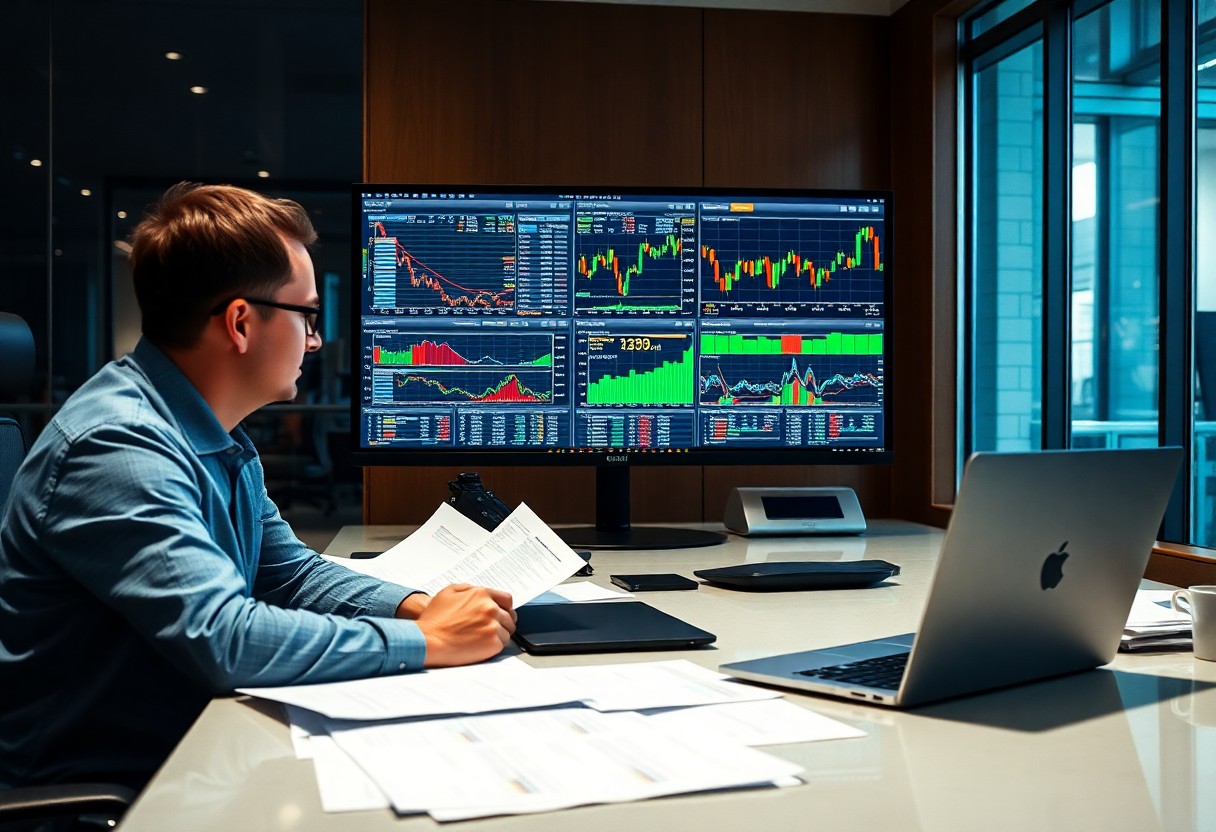
Navigating Market Trends with Precision
Effective day trading is heavily reliant on your ability to navigate market trends accurately. Mastering the interpretation of both bullish and bearish trends allows you to capitalize on price fluctuations, unlocking potential profits daily. Utilizing technical analysis tools such as charts and indicators empowers you to make informed decisions, giving you the upper hand in your trading activities. Recognizing pattern formations and understanding prevailing market sentiments will guide your execution and enhance your trading efficiency, leading to consistent gains.
Identifying Key Indicators for Day Trading
Key indicators serve as your compass in identifying profitable trading opportunities. Look for momentum indicators like the Relative Strength Index (RSI) or Moving Average Convergence Divergence (MACD), which help you assess market strength and potential reversals. Volume metrics also provide insight into the interest surrounding a stock, indicating whether it’s worth your attention. Recognizing these indicators equips you with the knowledge needed to pinpoint optimal entry and exit points in your day trading strategies.
How to Adapt Strategies to Market Shifts
Adapting your strategies to market shifts is imperative for maintaining profitability. Stay informed on economic news, sector performances, and geopolitical events which can dramatically alter market conditions. For instance, if you notice heightened volatility following earnings reports, adjust your risk management techniques accordingly, perhaps using tighter stop-loss orders or scaling back your positions. Beyond immediate changes, also consider long-term adjustments by diversifying your portfolio or trading different asset classes that may better suit the evolving market environment. Continuous evaluation of your methods allows for a proactive approach, ensuring that your trading is as responsive as the market dictates.
Psychological Resilience: The Trader's Mindset
Developing psychological resilience is a vital aspect of successful trading, as it directly influences your decision-making under pressure. A strong trader’s mindset allows you to stay focused, recover from setbacks, and maintain confidence in your strategies, ensuring you make decisions based on logic rather than emotion. Consistency in the face of market volatility hinges on your ability to adapt and maintain a balanced approach, which can ultimately lead to greater market gains.
Mastering Emotional Control in Volatile Markets
In volatile markets, emotional control can be your greatest asset. Staying composed allows you to assess situations objectively, avoid knee-jerk reactions, and implement strategies without the cloud of fear or greed. Techniques such as mindfulness practices, journaling your trades, and setting predefined rules before entering a trade can aid in bolstering your emotional resilience and maintaining a clear perspective amid chaos.
The Role of Discipline in Long-Term Success
Discipline governs your trading strategy, ensuring adherence to your plan despite external pressures or market fluctuations. By sticking to a well-defined set of rules, you minimize impulsive decisions that can lead to losses. Setting specific goals, employing risk management techniques, and regularly reviewing your trades fortify your discipline, crafting a consistent approach that ultimately drives long-term profitability.
The integration of discipline into your trading routine fosters accountability in your performance. Adopting a methodical approach, such as defining exit strategies and adhering to a trading schedule, ensures that even during high-pressure scenarios, your decisions are calculated rather than emotional. Traders who maintain discipline are more likely to recognize patterns, stick to their risk management plans, and resist the temptation to chase losses, enhancing their potential for sustainable success in the dynamic trading landscape.The Art of Timing: Entering and Exiting Trades
Mastering the art of timing can significantly enhance your trading success, allowing you to capitalize on price movements with precision. Effective entry and exit strategies hinge on market analysis, chart patterns, and understanding market psychology. By honing these skills, you can optimize your trades to maximize profits while minimizing losses.
Techniques for Effective Entry Points
Identifying effective entry points requires a combination of technical indicators and market trends. Utilizing tools like moving averages, RSI, and Fibonacci retracement levels helps you pinpoint optimal moments to enter a trade. Recognizing key support and resistance levels can further inform your decision, ensuring you buy at a perceived low and increase your chances of success.
Strategies for Optimal Exit Timing
To secure your profits and minimize losses, establishing a robust exit strategy is paramount. Depending on your trading style, consider using trailing stops, profit targets, or time-based exits as part of your plan. Analyzing price action and market indicators can guide your timing, enabling you to exit trades just before reversals occur.
Incorporating strategies for optimal exit timing can mean the difference between a profitable trade and a missed opportunity. Setting predetermined exit limits helps maintain discipline, preventing emotional decisions during volatile market conditions. For example, if you initiate a trade with a risk-reward ratio of 1:3, you'd aim to exit at a profit once the target three times the risk is reached. You might also leverage trailing stops to lock in profits as the price rises, allowing you to ride the upward momentum while automatically adjusting your exit point. Emphasizing well-planned exit strategies keeps your trading on track and aligned with your financial goals.
Risk Management: Protecting Your Capital
Effective risk management strategies are crucial for safeguarding your trading capital and ensuring long-term success. By adopting a disciplined approach, you can limit losses while maximizing potential gains. This involves understanding your risk tolerance, diversifying your portfolio, and continually assessing market conditions. Only with a well-structured risk management plan can you navigate the complexities of day trading and withstand the emotional rollercoaster of market fluctuations.
Essential Risk-Reward Ratios for Day Traders
Setting appropriate risk-reward ratios significantly impacts your profitability as a day trader. Aim for a minimum of 1:2, meaning for every dollar you risk, you should strive to make at least two dollars. This balance helps ensure that even if you experience losses, your winning trades can still cover those setbacks and contribute positively to your overall performance. Adopting this approach allows you to focus on high-quality setups where potential rewards outweigh risks.
Techniques for Setting Effective Stop-Loss Orders
Implementing sound stop-loss strategies is fundamental for managing risk in day trading. You should analyze market volatility and position sizes to set stop-loss orders that protect your capital while allowing for normal price fluctuations. Placing your stop-loss orders below significant support levels or above resistance can provide a safety net against unexpected market moves, while trailing stops can further secure profits as trades move in your favor.
Consider using a combination of technical indicators and price patterns to determine optimal stop-loss levels. For instance, a common technique is to use the Average True Range (ATR) to set your stop-loss distance based on recent price movements. If the ATR indicates a typical price swing of $1, you might set your stop-loss order at $1.50 below your entry point, providing some buffer against short-term volatility. Regularly adjusting your stop-loss in response to changing market conditions can also help enhance your overall risk management strategy.
Technological Tools for Enhanced Trading Efficiency
Modern trading strategies hinge heavily on the integration of technological tools that streamline processes and maximize returns. By utilizing various software and applications, you can automate numerous aspects of trading, leading to timely decisions and improved performance. Whether you're leveraging software for algorithmic trading, employing advanced charting tools, or utilizing portfolio management applications, technology becomes an invaluable ally in your trading journey.
Leveraging Trading Software and Algorithms
Trading software and algorithms empower you to execute trades with speed and precision that manual trading simply cannot match. These tools can analyze market conditions, scan for trading opportunities, and even execute trades on your behalf based on predefined criteria. Algorithmic trading strategies allow you to capitalize on price movements swiftly, minimizing the emotional decisions that often derail profitable trading strategies.
The Importance of Real-Time Data and Analytics
Access to real-time data and analytics provides you with a competitive edge in day-to-day trading. Live market information allows you to react instantly to market changes, enabling you to spot trends and make informed decisions faster than competitors relying on outdated data. Integrating reliable data feeds into your trading systems can significantly enhance your performance and profitability.
Real-time data can include vital market indicators, live news feeds, and price movements, with the ability to track these metrics as they shift can lead to more astute trading decisions. For instance, using applications that aggregate financial news alongside live charts not only keeps you updated but also gives you critical context for price shifts. Moreover, analytics tools can visualize these data streams, helping you to identify patterns and formulate strategies based on historical performance that you can apply immediately, optimizing your trade execution.
To wrap up
Now that you have explored effective day-to-day trading tips, you can refine your strategies to achieve consistent market gains. By focusing on risk management, staying informed, and maintaining discipline, you position yourself for success in the trading landscape. Regularly evaluate your performance, adapt your approach, and continue learning as the market evolves. Trust in the process and remain committed to your strategy, and you can navigate the complexities of trading with confidence, maximizing your potential for profitable outcomes.
FAQ
Q: What are some reliable strategies for day-to-day trading?
A: Effective day-to-day trading strategies include technical analysis, which utilizes historical price data to forecast future movements. Additionally, traders should stay informed about market news and events, use risk management techniques like stop-loss orders, and consider using a trading journal to track their trades and outcomes for continuous improvement.
Q: How can I manage risk while trading daily?
A: Risk management is key to maintaining consistent gains in trading. Set a maximum loss per trade, commonly between 1-2% of your trading capital. Utilize stop-loss orders to protect against significant downtrends and limit potential losses. Additionally, diversifying your portfolio by not putting all your capital into one or two trades can help spread risk.
Q: What resources can I use to stay updated on the market?
A: Staying informed is vital for daily traders. Utilize financial news websites, subscribe to market analysis newsletters, and follow credible financial analysts on social media platforms. Also, consider leveraging trading platforms that provide real-time data, analysis tools, and screens that alert you to market events that may affect your positions.
Q: How important is it to have a trading plan?
A: A trading plan is important as it outlines your trading goals, risk tolerance, and strategies. It prepares you for different market scenarios and keeps emotions in check, allowing for disciplined decision-making. By following a structured plan, traders can avoid impulsive trades and focus on long-term profitability.
Q: How can I evaluate my trading performance over time?
A: Regular evaluation of your trading performance is key to success. Keep a trading journal that records your trades, including entry and exit points, reasons for taking the trade, and outcomes. Analyze this data periodically to identify patterns, strengths, and weaknesses, enabling you to adjust your strategies and improve overall performance.


0 Comments