Money management can be overwhelming, but with the right budgeting tools, you can take control of your finances and foster financial discipline. This post explores some of the best resources available to help you organize your expenses, set savings goals, and track your spending effectively. By utilizing these tools, you can streamline your financial practices and work towards achieving your financial aspirations with ease.
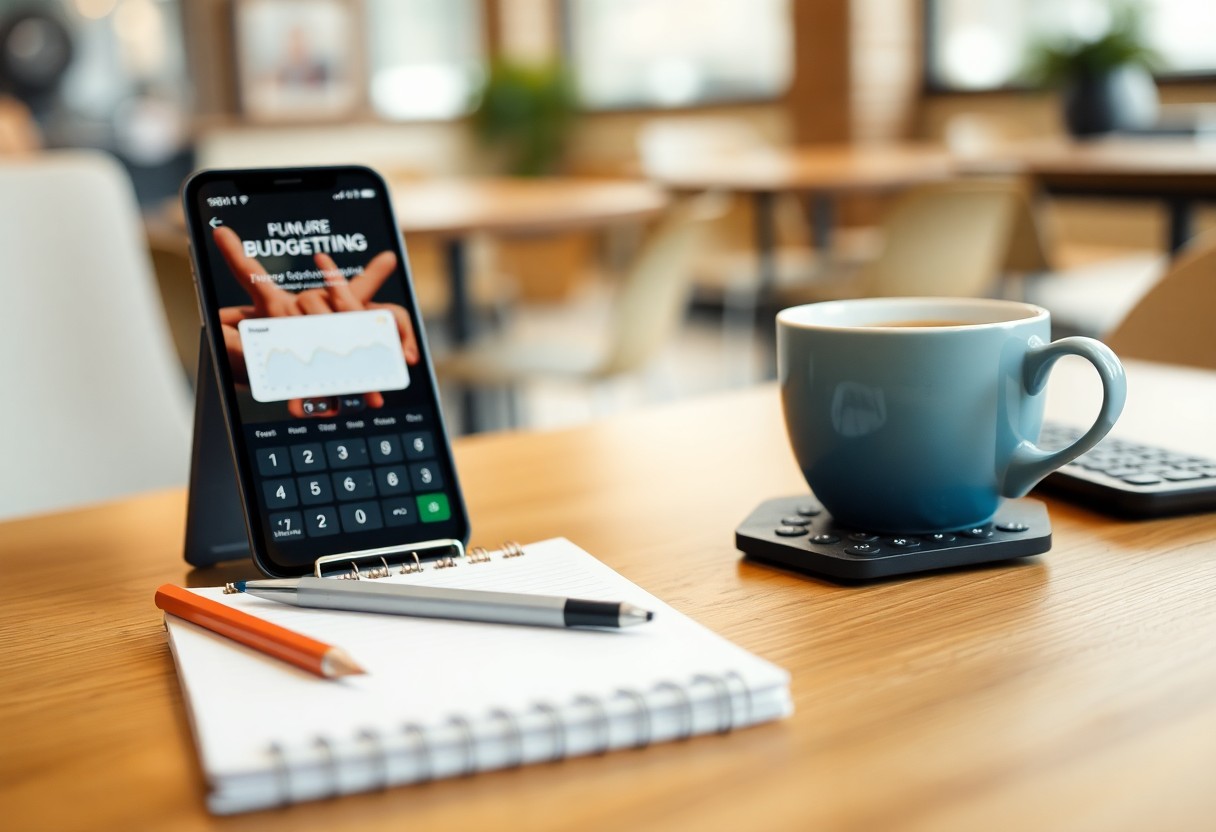
Importance of Budgeting Tools
A budgeting tool is necessary for tracking your income and expenditures, providing clarity in your financial situation. These tools help you set realistic financial goals, allowing you to allocate funds effectively and avoid overspending. By organizing your finances, you create a structured approach to achieving financial stability, reducing stress related to money management.
Understanding Financial Discipline
Across various financial situations, developing discipline is key to maintaining control over your spending habits. By utilizing budgeting tools, you cultivate the ability to prioritize needs over wants and make informed decisions regarding your finances. This discipline not only enhances your financial awareness but also fosters long-term stability and confidence in managing your money.
Benefits of Budgeting for Individuals and Families
For individuals and families, budgeting brings numerous advantages that extend beyond just tracking expenses. It empowers you to set clear financial goals, enabling you to save for emergencies or invest in future aspirations. Budgeting promotes healthier financial habits, encourages accountability, and enhances communication within families about money matters, which can lead to stronger relationships and shared financial success.
Understanding these benefits allows you to gain better control over your financial life. You can identify unnecessary expenses, streamline your spending, and make informed choices about saving and investing. A consistent budgeting practice helps you build an emergency fund, plan for significant purchases, and reduce debt. Overall, the discipline that comes from budgeting lays the groundwork for a more secure financial future for you and your loved ones.
Criteria for Selecting Budgeting Tools
While choosing the right budgeting tool, consider factors such as user-friendliness, cost, and features tailored to your specific financial goals. An effective tool should simplify your money management while promoting financial discipline, enabling you to make informed decisions with ease.
User-Friendliness
Between complex interfaces and straightforward designs, opt for a budgeting tool that is intuitive and easy to navigate. A user-friendly experience allows you to quickly set up your budget, track expenses, and adjust your financial plans without frustration.
Cost and Value
To determine the best budgeting tool for your needs, assess both its cost and the value it provides. A tool’s price should align with its features, ensuring you get reasonable returns on your investment without overspending.
And when evaluating cost and value, consider any additional features that enhance your financial management, like goal-setting or spending analytics. Often, free options can offer basic functionalities, but investing in a paid version might provide valuable insights and tools that save you money in the long run.
Top Free Budgeting Tools
If you’re looking to gain control over your finances without breaking the bank, free budgeting tools can be a game changer. These resources provide crucial features like tracking expenses, setting budgets, and monitoring savings, all tailored to your financial goals. Leveraging these tools is an effective way to simplify money management and build lasting financial discipline.
Mint
By using Mint, you can effortlessly manage your finances in one place. This free budgeting app connects to your bank accounts and credit cards, helping you track spending, create budgets, and receive customized insights. With its intuitive interface and easy-to-use features, you can take charge of your financial health.
You Need a Budget (YNAB)
Mint focuses on reactive budgeting, while You Need a Budget (YNAB) emphasizes proactive planning. YNAB helps you allocate every dollar to a specific purpose, encouraging you to prioritize your spending and savings. This method fosters a deeper understanding of your financial habits, leading to more mindful decision-making.
The YNAB platform empowers you to take charge of your finances by teaching you budgeting principles that can last a lifetime. With its user-friendly interface, you create a personalized budget based on your unique financial situation. YNAB’s goal-setting features and real-time tracking help you stay accountable, making it easier to adapt your spending habits and achieve your financial objectives.
Best Paid Budgeting Tools
Despite the wide array of free budgeting apps available, paid tools often offer enhanced features, customer support, and more robust capabilities to help you manage your finances effectively. Investing in a paid budgeting tool can streamline your financial oversight and cultivate stronger financial habits.
EveryDollar
With its user-friendly interface, EveryDollar simplifies the budgeting process by allowing you to easily create monthly budgets and track your spending. You can customize budget categories and adjust your plan as necessary to stay on track toward your financial goals.
Personal Capital
Across all platforms, Personal Capital stands out for its integrated approach to budgeting and wealth management. It provides tools that allow you to analyze your spending, track investments, and plan for retirement, offering a comprehensive view of your financial health.
Paid subscriptions to Personal Capital unlock advanced features that enhance your budgeting experience. You gain access to personalized advice from financial experts, investment tracking software, and retirement planning tools. By leveraging these features, you can make informed decisions about your financial future and gain insights into long-term wealth management.
Mobile Apps for On-the-Go Budgeting
Many individuals seek mobile apps to streamline budgeting while managing their finances on the go. These applications offer convenience, real-time tracking, and features that help you stay accountable to your financial goals. With intuitive interfaces and customizable options, mobile budgeting tools empower you to make informed spending decisions anytime, anywhere.
PocketGuard
An effective tool for managing your budget, PocketGuard simplifies tracking by showing you how much disposable income you have after accounting for bills, goals, and necessities. Its user-friendly interface allows you to connect your bank accounts, enabling you to monitor your finances effortlessly and gain insight into your spending habits.
GoodBudget
After exploring various budgeting apps, GoodBudget stands out with its envelope budgeting system that helps you allocate funds to different expense categories. By simulating the traditional envelope method, this app allows you to plan your spending while saving for future goals, making it a practical choice for anyone looking to enhance their financial discipline.
This app emphasizes proactive budgeting rather than reactive spending. With GoodBudget, you can set up envelopes for various categories, track your spending, and adjust as needed. It also offers a web interface, allowing you to access your budget from any device. By teaching you to allocate resources effectively, GoodBudget helps you cultivate a disciplined approach to money management.
Tips for Effective Budget Management
Once again, effective budget management is vital for financial success. Implement these tips to enhance your budgeting technique:
- Review your budget regularly
- Adjust categories based on spending patterns
- Prioritize savings
- Set corrective measures for overspending
Recognizing the importance of these practices will help you maintain control over your finances.
Setting Realistic Goals
Among the keys to successful budgeting is the ability to set realistic goals. Aim for achievable targets that consider your income and current financial obligations. This approach ensures you can consistently meet your objectives without creating additional stress.
Tracking Spending Habits
Behind every effective budget is a clear understanding of your spending habits. Tracking your expenses allows you to identify unnecessary costs and areas for improvement. It also keeps you accountable, leading to better financial decisions.
Plus, utilizing tools like expense tracking apps can simplify this process. By categorizing your spending, you gain insights into where your money goes and can adjust your budget accordingly. Regular tracking makes you more aware of your habits, enabling you to find opportunities to save and invest wisely.
To wrap up
Conclusively, investing in the best budgeting tools can significantly simplify your money management and strengthen your financial discipline. By selecting tools that cater to your unique needs, you can track your spending, create realistic budgets, and achieve your financial goals. Utilizing these resources empowers you to make informed decisions and enhances your overall economic stability. Embrace the support of technology in your financial journey for a more organized and prosperous future.
FAQ
Q: What are the best budgeting tools available for beginners?
A: Some of the best budgeting tools for beginners include Mint, YNAB (You Need A Budget), and EveryDollar. These tools offer user-friendly interfaces and vital features for tracking expenses and managing budgets effectively.
Q: How can budgeting tools help in building financial discipline?
A: Budgeting tools help build financial discipline by providing users with a clear overview of their income and expenses. They allow for goal setting, spending tracking, and alerts for overspending, making it easier to stick to financial goals and develop better spending habits.
Q: Are there free budgeting tools worth using?
A: Yes, several free budgeting tools are effective, such as Mint, Personal Capital, and GoodBudget. These tools offer basic budgeting features, expense tracking, and financial insights without any cost.
Q: How do I choose the right budgeting tool for my needs?
A: To choose the right budgeting tool, identify your financial goals, desired features (like expense tracking, bill reminders, or investment tracking), and whether you prefer mobile or desktop usage. Testing a few different tools can also help determine which one fits your style best.
Q: Can budgeting tools integrate with my bank accounts?
A: Many budgeting tools, such as Mint and YNAB, allow users to link their bank accounts for automatic transaction synchronization. This feature simplifies the tracking process and ensures budgets are updated in real-time. Always check security features before linking accounts.


0 Comments