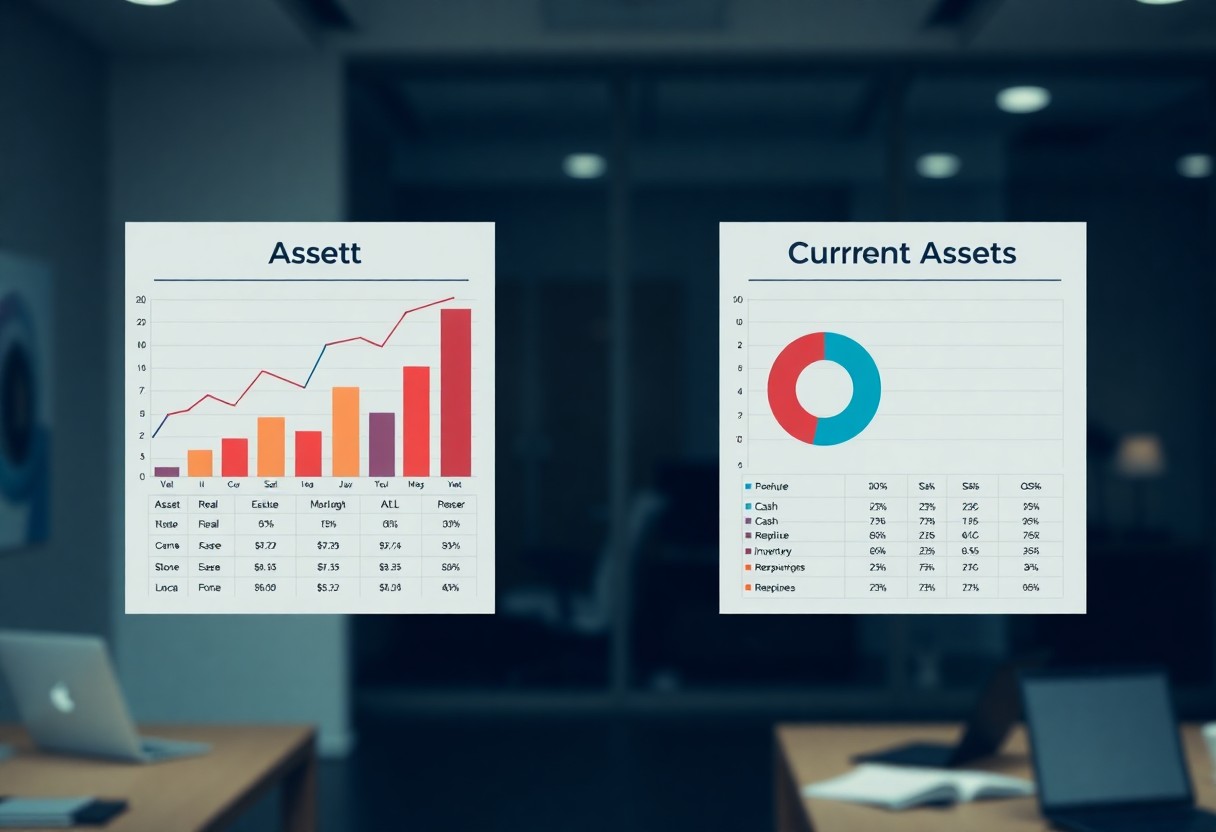
Just as you navigate through financial statements, understanding the distinction between assets and current assets is vital for accurate accounting. Assets encompass everything your business owns that holds value, while current assets are specifically those that can be converted into cash within a year. By grasping these definitions, you can make informed decisions that enhance your financial management and reporting accuracy.
Key Takeaways:
- Assets encompass all resources owned by a business, while current assets are those expected to be converted into cash within one year.
- Typical examples of current assets include cash, accounts receivable, and inventory, whereas non-current assets may include property and equipment.
- Current assets are vital for assessing a company's short-term liquidity and operational efficiency.
Understanding Assets
Assets represent valuable resources owned by a business that can generate economic benefits. Various types help categorize them based on their liquidity and usability. For a deeper insight into asset classifications, check out Current vs Fixed Assets: Differences, Examples & Importance.
Definition of Assets
Assets are resources controlled by an entity, expected to provide future economic benefits. They are fundamental to a company’s financial health and are typically recorded on the balance sheet, representing the ownership of items that have value.
Types of Assets
Assets can be categorized into various types, primarily based on their use and liquidity. These include tangible assets, like machinery and real estate, intangible assets, such as patents and trademarks, and current assets, which are expected to be converted into cash within a year. Understanding these classifications is vital for effective financial management. This breakdown looks like:
| Type of Asset | Description |
| Tangible Assets | Physical items like machinery and inventory. |
| Intangible Assets | Non-physical resources like patents and trademarks. |
| Current Assets | Assets expected to be converted to cash within a year. |
| Fixed Assets | Long-term resources used over time, such as buildings. |
| Investments | Assets such as stocks and bonds held for future gains. |
Different asset types play distinct roles within your financial strategy. For instance, tangible assets can be sold or leveraged for loans, while intangible assets may enhance your competitive edge. Additionally, understanding the liquidity of current assets can improve cash flow management. This list highlights common asset types:
- Tangible Assets
- Intangible Assets
- Current Assets
- Fixed Assets
- Investments
This classification helps in assessing the overall value of your business and can guide critical financial decisions.
Current Assets Explained
Current assets are a vital component of your business's balance sheet, representing assets that are expected to be converted into cash or consumed within one year. These assets typically include cash, accounts receivable, inventory, and short-term investments. Their liquidity makes them vital for maintaining daily operations and meeting short-term obligations, ensuring your business has the necessary resources to function effectively.
Definition of Current Assets
Current assets are those assets that you can reasonably expect to convert into cash or use up within a single year. This category encompasses cash, cash equivalents, accounts receivable, inventory, and other liquid assets that support your short-term financial stability.
Importance of Current Assets
The significance of current assets lies in their role in your business's liquidity management. A higher ratio of current assets to current liabilities indicates a solid financial position, enhancing your ability to cover short-term debts without facing financial distress. A healthy current asset balance allows you to invest in opportunities that drive growth and maintain operational efficiency.
In managing your business, a well-structured approach to current assets can prevent cash flow issues that might jeopardize stability. For instance, if your inventory is too high, it may tie up resources that could otherwise be used for immediate expenses, while accounts receivable that linger beyond their due dates can delay cash flows. Monitoring current assets helps you navigate these challenges effectively, ensuring you meet obligations while also fostering opportunities for investment and expansion.Key Differences Between Assets and Current Assets
Assets encompass all resources owned by a business that provide future economic benefits, while current assets are a specific subset that can be converted into cash within one year. The distinction is critical for assessing liquidity, as current assets directly impact a company’s ability to meet short-term obligations. This differentiation aids in analyzing financial health and managing operational efficiency effectively.
Liquidity Considerations
Liquidity reflects how quickly assets can be turned into cash. Current assets, such as cash, accounts receivable, and inventory, are highly liquid and can be readily used to settle liabilities. In contrast, long-term assets like property or equipment are less liquid, often taking longer to convert into cash, which can affect your company's financial flexibility in urgent situations.
Time Frame and Financial Reporting
The reporting time frame significantly influences how you categorize assets. Current assets appear in financial statements as items that are expected to provide value within a year, ensuring you're equipped to manage operational expenses and cash flow. Long-term assets, however, are reported as investments meant for use over multiple years, adding to your strategic financial planning.
The differentiation between current and long-term assets within financial reporting is aligned with accounting principles that prioritize up-to-date information for stakeholders. By maintaining a clear classification, you not only enhance transparency but also facilitate better decision-making. For instance, if your current assets significantly exceed current liabilities, it signals strong liquidity, which can attract investors and creditors. This approach aids in presenting a comprehensive view of financial stability and operational efficiency.Examples of Assets and Current Assets
Assets can be categorized into various types, including tangible and intangible resources that your business owns. Current assets specifically refer to those expected to be converted into cash or used within one year. For a more detailed analysis, check out The Difference Between Current and Noncurrent Assets & ....
Common Asset Examples
Your business may hold various assets such as machinery, real estate, patents, and inventory. These resources can significantly contribute to your overall operational capacity and financial stability. Examples like office buildings or proprietary software can enhance production capabilities and market position.
Common Current Asset Examples
Current assets typically include cash, accounts receivable, and inventory. These items are vital for day-to-day operations and liquidity management within your organization. They ensure you can meet short-term obligations while maintaining operational efficiency.
Specific examples of current assets involve cash on hand, receivables due within 30 days, and raw materials that can quickly be transformed into finished products. Having adequate current assets enables you to manage expenses, invest in opportunities, and respond effectively to market conditions. Understanding the balance of these assets is necessary for maintaining operational agility and financial health.
Accounting Implications
The distinction between assets and current assets carries significant accounting implications, affecting how you manage resources and report financial health. Understanding these differences helps you make informed decisions regarding liquidity, investment, and risk management while ensuring accurate financial representation in your statements.
Impact on Balance Sheet
Your balance sheet reflects the financial position of your business at a specific moment, with assets listed on one side. Current assets, being short-term, typically appear at the top, providing a snapshot of your liquidity. This arrangement not only highlights available resources but also emphasizes your ability to meet immediate obligations.
Influence on Cash Flow Management
The classification of assets significantly influences your cash flow management. By focusing on current assets, you can better predict cash inflows from receivables and the timing of cash outflows for payables, enabling you to maintain sufficient liquidity.
Effective cash flow management relies heavily on understanding the timing and nature of your current assets. For instance, if your business has a high level of accounts receivable, you may face delays in cash collection, impacting your ability to cover short-term liabilities. Monitoring inventory turnover rates can also provide insights into cash tied up in unsold goods. By analyzing these factors, you can implement proactive measures, such as optimizing credit terms or improving inventory management, to enhance cash flow and ensure your financial stability.
To wrap up
On the whole, understanding the difference between assets and current assets is vital for effective financial management. You should clearly identify current assets, which are expected to be converted into cash within a year, and distinguish them from long-term assets that provide value over a longer duration. This knowledge will enhance your ability to analyze financial statements and make informed decisions for your business or personal finances.
FAQ
Q: What is the main difference between assets and current assets?
A: Assets encompass all resources owned by a business, while current assets specifically refer to those expected to be converted to cash or used within one year, such as cash, inventory, and receivables.
Q: Can you provide examples of assets that are not current assets?
A: Yes, examples of non-current assets include property, plant, equipment, and intangible assets like patents or trademarks, which are not expected to be converted to cash within a year.
Q: Why is it important to distinguish between current assets and other assets?
A: Understanding the distinction helps in assessing a company's liquidity, managing short-term financial obligations, and evaluating operational efficiency.
Q: How do current assets affect a company's financial statements?
A: Current assets are listed on the balance sheet and impact key financial ratios, such as the current ratio and quick ratio, which assess liquidity and short-term financial health.
Q: How is the liquidity of a business influenced by its current assets?
A: The liquidity of a business is directly influenced by its current assets, as a higher amount of current assets indicates better potential to meet short-term liabilities and obligations.


0 Comments