GST introduces you to a streamlined e-invoicing system designed to enhance your business's transaction efficiency. Understanding the rules, processes, and compliance requirements can be a daunting task, especially if you are just starting. This guide will provide you with crucial insights into GST e-invoice regulations, helping you navigate through the procedures with ease. For a comprehensive overview, check out A Complete Guide On E-Invoicing System in GST.
Decoding the GST E-Invoice Mandate
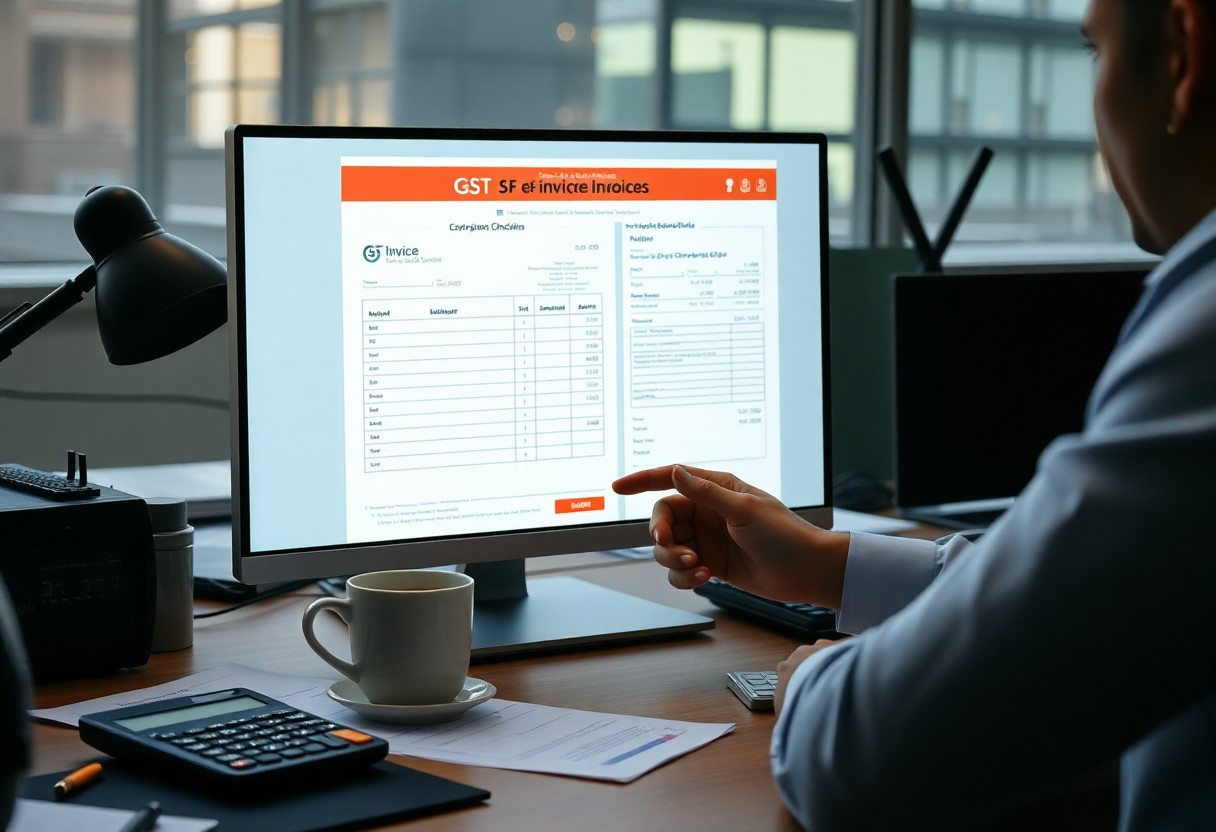
The GST E-Invoice system serves as a pivotal component in the government's efforts to digitize tax compliance, streamlining the invoicing process for taxpayers. By mandating e-invoicing for specific categories of businesses, it reduces the chances of tax evasion and improves data accuracy in the tax ecosystem. You will need to understand the requirements thoroughly to ensure seamless integration and compliance within your business.
Legislative Origins and Objectives
The GST E-Invoice mandate originates from the 2019 notification under the Central Goods and Services Tax (CGST) Act, aimed at simplifying the invoicing system and promoting a unified nationwide compliance framework. It aligns with the government's broader goal of fostering transparency and reducing tax fraud, ultimately enhancing the overall efficiency of the GST system.
Key Players and Their Roles
Several key players participate in the GST e-invoicing ecosystem, including businesses, the Goods and Services Tax Network (GSTN), and the tax authorities. As a business, you are responsible for generating and uploading e-invoices, while the GSTN acts as the facilitator, validating and storing these invoices for regulatory scrutiny.
More specifically, your role as a business involves ensuring that all invoices meet the stipulated formats and guidelines before submission. The GSTN plays an instrumental part by providing the technological backbone that allows for real-time invoice submission and verification. Additionally, tax authorities review these invoices to monitor compliance and identify discrepancies, allowing for a streamlined audit process and minimizing the chances of tax evasion. Each stakeholder's function enhances the integrity and effectiveness of the tax system, requiring you to stay updated with any changes to ensure your business remains compliant.
The E-Invoicing Ecosystem: Tools and Technologies
Various tools and technologies are instrumental in creating a robust e-invoicing ecosystem. These solutions not only streamline invoice generation and delivery but also ensure compliance with legal requirements. With the rise of digital transformation, leveraging these tools can facilitate smoother transactions and better record-keeping, ultimately enhancing your overall operational efficiency.
Digital Platforms and Software Solutions
Numerous platforms offer comprehensive e-invoicing solutions tailored to meet GST rules. Popular software like Tally, Zoho Invoice, and QuickBooks enable you to generate, validate, and submit e-invoices seamlessly. These applications often integrate with GST portals for easy compliance, allowing you to manage invoicing requirements from a centralized interface, thereby reducing manual errors and saving time.
Integrating E-Invoices with Existing Systems
Ensuring your e-invoicing solution works in harmony with existing accounting and ERP systems enhances overall efficiency. Integration allows for automatic data transfer, reducing manual entry and discrepancies. Failing to integrate may result in lost time, errors, and complications during audits.
Integrating e-invoices with your current systems involves mapping fields between your existing software and the e-invoicing platform. For instance, connecting your accounting software’s customer database with the e-invoicing system can automate customer details’ entry in each invoice. Many software solutions offer APIs or pre-built connectors, enabling a plug-and-play experience. You may find consultants or service partners specializing in integration to assist with the technical nuances, ensuring your transition is smooth and compliant. Investing in this integration not only simplifies your invoicing process but also significantly enhances data accuracy and workflow efficiency across your business operations.
Step-by-Step Guide to Generating E-Invoices
Generating e-invoices can streamline your invoicing operations significantly. Understanding the step-by-step process is necessary for compliance with GST regulations. Start by ensuring that you have all necessary information ready, which can help reduce errors and delays. For more details, refer to Simplifying GST Compliance: A Beginner's Guide. Here's a table summarizing the key steps:
| Step | Description |
| 1. Pre-invoice Preparation | Gather all necessary information and documents. |
| 2. Create the E-Invoice | Use an accounting software or portal to generate the invoice. |
| 3. Validate the E-Invoice | Check for errors and ensure compliance with GST rules. |
| 4. Submit to the GST Portal | Upload the e-invoice for validation and assignment of IRN. |
| 5. Share with Recipient | Send the validated e-invoice to your customer. |
Pre-Invoice Preparation Checklist
Before generating an e-invoice, a checklist is crucial for accuracy. Ensure you have details like buyer and seller information, GSTIN, invoice number, and date ready. Additionally, verify that all items, including their HSN/SAC codes and corresponding tax rates, are accurately listed. This preparation prevents common errors that can complicate compliance.
Navigating the E-Invoicing Process
The journey through the e-invoicing process involves crucial stages that determine the efficiency of your invoicing workflow. Start by generating an invoice through your accounting software, making sure to follow the format mandated by the GST framework. Once created, validate the invoice to avoid mistakes. You will then submit this invoice via the GST portal, which automatically assigns an Invoice Reference Number (IRN). Finally, providing the invoice to your customer becomes seamless, enhancing your transactional efficiency.
A streamlined e-invoicing process enhances your operational efficiency while ensuring compliance with GST regulations. Having the right software in place allows for easy integration of GST requirements into your business workflows. Utilize features like automated data entry, error-checking, and direct submission to the GST portal, which can minimize manual interventions and related errors. This not only saves time but also contributes to a more transparent and hassle-free invoicing process.
Compliance Essentials: Avoiding Pitfalls
Adhering to GST E-Invoice regulations requires vigilance. Non-compliance can result in hefty fines and disruption of your business operations. To ensure your invoices meet the necessary standards, familiarize yourself with the rules and regularly update your processes according to the latest government guidelines. For a detailed understanding, refer to this E-Invoicing in GST: A Guide for Beginners. Being proactive in your compliance efforts will save you trouble in the long run.
Common Errors and How to Sidestep Them
Common pitfalls in e-invoicing include incorrect data entry, missing mandatory fields, and failing to reconcile your e-invoices with GST returns. These mistakes can lead to compliance issues and attract penalties. To sidestep them, implement automated systems that check for data accuracy and ensure all required information is present before you submit your invoices.
Best Practices for Ensuring Compliance
Adopting best practices is vital for seamless GST e-invoicing compliance. Performing regular audits of your invoicing processes, investing in reliable software, and keeping up with changes in tax laws can greatly enhance your compliance effectiveness.
Specific strategies like incorporating real-time tracking of invoice statuses and conducting periodic training for your staff about the latest GST regulations can significantly mitigate risks. Utilize invoicing software that has built-in compliance checks, ensuring that every invoice generated aligns with legal requirements. Additionally, engage with industry experts or accountants who can provide insights and updates on evolving regulations, thus keeping your compliance strategies robust and up-to-date.
The Future of E-Invoicing in Canada
The future of e-invoicing in Canada looks promising as businesses increasingly recognize the advantages of digital transactions. With ongoing government initiatives aimed at streamlining processes, you may find that mandatory e-invoicing requirements could emerge in the coming years. Continuous advancements in technology and integration with existing tax systems will further drive the efficiency and accuracy of invoicing, making it a standard practice in various sectors.
Trends Shaping E-Invoice Adoption
Several trends are shaping e-invoice adoption across Canada. The move towards automation in financial processes is creating a greater reliance on e-invoicing solutions. Additionally, the growing emphasis on sustainability encourages companies to minimize paper usage, while increased regulatory compliance demands more precise record-keeping. You should also consider that more businesses are starting to seek interoperability between e-invoicing platforms, ensuring seamless integration across different systems.
Global Perspectives: What We Can Learn
Examining global e-invoicing trends provides valuable insights into best practices and challenges faced by other nations. Countries like Italy and Brazil have successfully implemented mandatory e-invoicing frameworks that enhance compliance, reduce fraud, and speed up transactions. These examples suggest that Canada could benefit by adopting similar regulations and focusing on developing user-friendly solutions for all businesses, regardless of their size.
The success of e-invoicing in countries like Italy, which achieved a 30% reduction in tax evasion rates after mandatory implementation, highlights the potential benefits for Canada. By adopting best practices seen globally, you may see quicker payment cycles and a decrease in administrative burdens. Encouraging collaboration between the public and private sectors may also accelerate the journey towards an efficient and compliant e-invoicing landscape tailored to your business needs. Ultimately, learning from other countries' experiences can create a smoother transition and implementation process in Canada.
To wrap up
Hence, understanding GST e-invoice rules, processes, and compliance is key to streamlining your business operations. By following the guidelines outlined, you can ensure that your invoicing is efficient and compliant with regulatory requirements. Staying informed about updates and adhering to best practices will not only facilitate smoother transactions but also help you avoid potential penalties. As you navigate this process, leverage the available resources and tools to enhance your understanding and execution of e-invoicing in your business.
FAQ
Q: What is an e-invoice and how is it related to GST?
A: An e-invoice is an electronic document that contains details of a business transaction between a buyer and a seller. Under the Goods and Services Tax (GST) regime in India, e-invoicing is a system where businesses can generate invoices through a government-issued portal. This system helps to automate the process of capturing GST data and ensures compliance. E-invoices are automatically transmitted to the GST Network (GSTN), allowing for streamlined reporting and verification of transactions.
Q: Who needs to comply with the e-invoicing rules under GST?
A: As of the latest guidelines, businesses with a turnover exceeding INR 10 Crores are required to comply with e-invoicing rules. However, this limit may change, and it is advisable for businesses to stay updated on notifications from the GST Council. Additionally, certain categories of taxpayers like SEZ units and suppliers of services may also be required to adopt e-invoicing, irrespective of their turnover.
Q: What steps are involved in generating an e-invoice?
A: The process to generate an e-invoice generally involves the following steps: 1. Create the invoice in a standard format, adhering to the schema mentioned by the GSTN. 2. Upload the invoice to a designated portal, such as the GST portal or a systems provider that supports e-invoicing. 3. The portal validates the details of the invoice in real-time. 4. Upon successful validation, the invoice is assigned a unique Invoice Reference Number (IRN). 5. The e-invoice is then sent to the GSTN, which can be accessed by both the seller and buyer for compliance and tax filing purposes.
Q: What are the benefits of adopting the e-invoice system?
A: Adopting the e-invoice system offers several advantages, such as: - Enhanced accuracy by reducing manual errors in invoicing. - Faster processing of invoices leading to timely payments. - Greater transparency in the supply chain, which helps in combating tax evasion. - Streamlined compliance with GST regulations, as the data is captured and reported automatically. - Improved cash flow management by facilitating quicker invoicing and payments.
Q: What are the penalties for non-compliance with e-invoicing rules?
A: Non-compliance with e-invoicing rules can lead to several penalties. If a business is required to issue e-invoices but fails to do so, it may face penalties under the GST Act. These can include fines determined by the tax authorities, which can be a percentage of the tax due or fixed amounts depending on the nature of the violation. Additionally, failure to generate e-invoices may lead to increased scrutiny from tax authorities and could impact the business’s credibility in the long term.
Disclaimer:
This blog post is intended for
informational and general educational purposes only and does not constitute
professional advice in accounting, finance, tax, or legal matters. While
efforts have been made to ensure the information is accurate and up to date,
financial laws, tax regulations, and compliance requirements vary by country
and may change over time. You should consult a qualified financial advisor,
accountant, or legal professional in your local jurisdiction to obtain guidance
specific to your situation. The author and publisher assume no responsibility
or liability for any loss or damage resulting from the use of the information
provided herein.


0 Comments