There's a significant need for businesses to understand how the GST E-Way Bill operates, as it streamlines the movement of goods across India. This blog post will guide you through the crucial features of the E-Way Bill, highlighting its importance in compliance with the Goods and Services Tax (GST) framework. You'll also learn the straightforward steps to generate an E-Way Bill effectively, ensuring your shipments conform to legal requirements and reach their destination without any hassle.
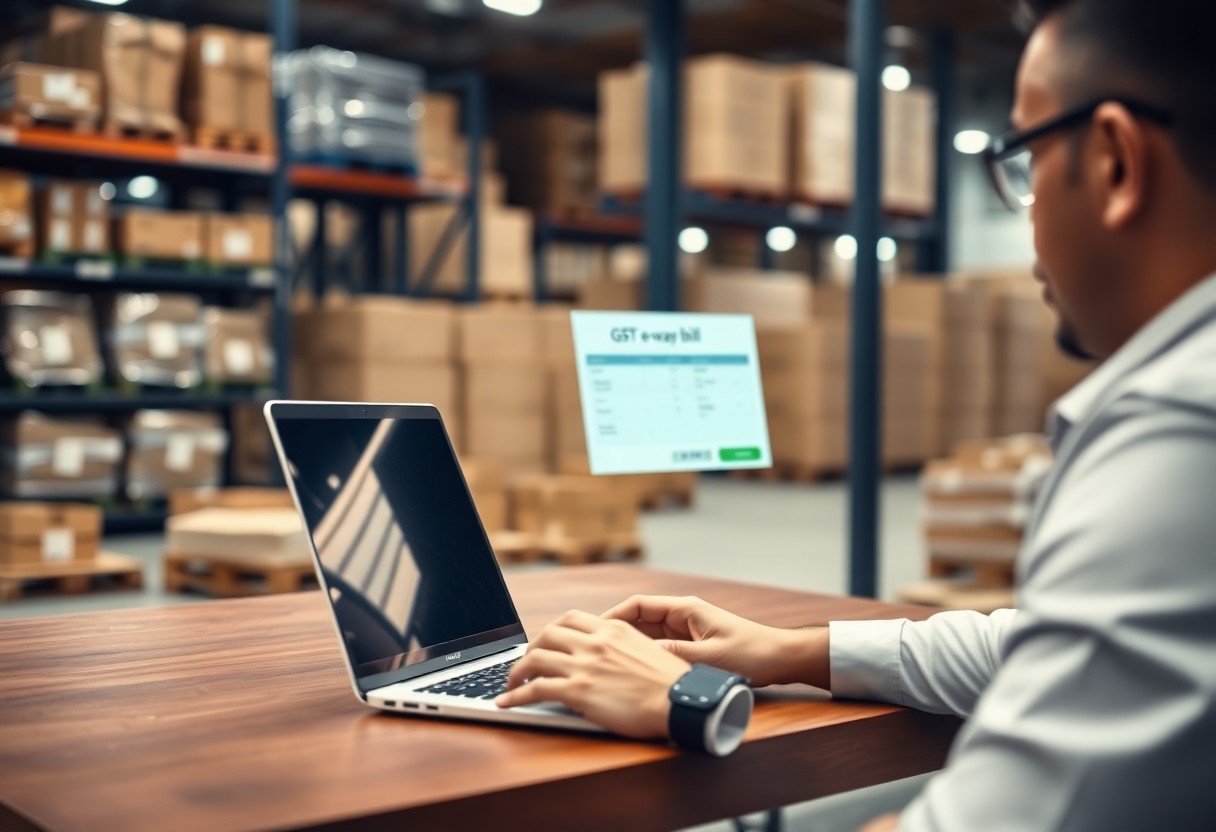
The Mechanics of GST E-Way Bill Creation
Creating a GST E-Way Bill involves a systematic process where you need to follow specific steps and guidelines. The first thing to keep in mind is that you will need certain basic information and documents for efficient bill generation. This structured process ensures compliance with the GST regulations imposed by the government. For more in-depth insights regarding the nuances of E-Way Bill management, check out E-Way Bill Management: A Complete Guide.
Essential Components Required for Bill Generation
To generate a GST E-Way Bill, you will require various components including the GSTIN of the supplier and recipient, invoice details such as the value of goods, and transport information. Additionally, the HSN/SAC codes and the vehicle number are mandatory inputs. Ensuring that you have these components at hand will streamline the generation process and avoid delays.
Overview of the GST E-Way Bill System Interface
The interface for the GST E-Way Bill system is designed to be user-friendly, allowing you to navigate effortlessly. Upon logging in, you will notice a clear dashboard with options to create a new bill, view existing ones, and check the status of previous bills. The layout is organized, ensuring that all required data fields are readily accessible. The interface also includes help sections for troubleshooting common issues.
The GST E-Way Bill system interface facilitates a smooth user experience by presenting all necessary functions in a straightforward manner. You’ll find an option to upload invoices in bulk, which can save significant time if dealing with multiple shipments. Furthermore, alerts and notifications help you stay updated about compliance requirements, ensuring that you can manage your E-Way Bills efficiently. A robust search feature allows you to locate specific bills effortlessly, enhancing the overall effectiveness of your GST compliance efforts.
Pre-Generation Checklist: What You Need to Know
Before generating a GST E-Way Bill, you should ensure that certain prerequisites are in place. Collect relevant details such as the GSTIN of both the supplier and recipient, invoice data, and vehicle information. It’s also advisable to familiarize yourself with the E-Way Bill portal for efficient navigation. For a thorough guide on registration, refer to A Step-by-Step Guide to Register on the E-Way Bill Portal.
Documentation and Data Verification
Accurate documentation is vital for the successful generation of an E-Way Bill. You need to gather the supplier's and recipient's GSTIN, details of goods/transports, and any applicable invoice numbers. Verifying the data helps in minimizing errors and ensures that you meet compliance requirements while transporting goods.
Common Errors to Avoid Before Generating the Bill
Avoiding common pitfalls can streamline your E-Way Bill generation process. Frequent issues include entering incorrect GSTIN numbers, providing incomplete vehicle details, and not aligning invoice dates properly. Overlooking these can lead to future hassles and disruptions while transporting goods.
Common errors can significantly delay your E-Way Bill generation. For instance, an incorrect GSTIN not only causes issues with compliance but can also result in penalties. Additionally, missing vehicle details like the vehicle number or type can lead to the cancellation of the E-Way Bill altogether. To prevent these setbacks, double-check all entries for accuracy before submission, and ensure you’re aware of any recent changes in regulations that may affect your documentation.
Step-by-Step Guide to Generating Your E-Way Bill
| Step | Action |
|---|---|
| 1 | Log in to the GST portal with your credentials. |
| 2 | Select the 'E-Way Bill' option from the dashboard. |
| 3 | Fill in the necessary details of the consignment. |
| 4 | Review your details to ensure accuracy. |
| 5 | Submit to generate your E-Way Bill. |
Navigating the GST Portal for E-Way Bill Creation
To generate your E-Way bill, you need to access the GST portal at gst.gov.in. After logging in, look for the 'E-Way Bill' option under the Services tab. This easy-to-navigate interface guides you through the process of filling out the necessary details about your shipment, including details such as the invoice number, vehicle information, and the origin and destination states.
Completing and Submitting the E-Way Bill
Filling out your E-Way Bill requires precise information. You must provide details such as the goods description, quantity, and value. Once completed, review your entries meticulously to prevent errors. After ensuring that all the information is accurate, click on the 'Submit' button. This generates your E-Way Bill and allows you to download or print it for compliance purposes.
Completing and submitting the E-Way Bill is straightforward but requires attention to detail. Make sure to enter the exact GSTIN of both the sender and receiver, as inaccuracies may lead to penalties. After submission, you will receive a unique E-Way Bill number (EBN) that you should carry with the goods while in transit. The EBN must be valid for the entire duration of transit, thus safeguarding you against potential audits by the authorities.
Real-Time Tracking and Compliance Management
Monitoring your E-Way Bill in real-time allows you to ensure compliance with GST regulations and track the movement of goods effectively. By utilizing the tools provided by the GST portal, you can continuously oversee logistics decisions and swiftly address any compliance issues that may arise during transit. This vigilance not only helps in avoiding penalties but also safeguards your business reputation by ensuring timely deliveries.
Understanding Bill Validity and Updates
Your E-Way Bill holds a validity period based on the distance to be covered. Generally, it remains valid for a maximum of 1 day for every 100 km. If the validity expires before your goods reach their destination, reissuing the bill becomes necessary. Staying updated on the status and validity can prevent interruptions in your supply chain.
Tools and Strategies for Efficient Monitoring
Employing appropriate tools can greatly enhance your ability to monitor and manage E-Way Bills effectively. Utilize ERP systems and mobile applications that integrate GST tracking features for seamless management. Regular audits of your e-documents and timely updates from your transporters are also important to maintain compliance and improve efficiency in logistics.
Further leveraging technology, advanced logistics platforms now incorporate features that automatically track your E-Way Bills and notify you of any renewals or compliance necessities. For instance, some tools can send alerts if your bill is close to expiration, allowing you to act proactively. Utilizing data analytics can help you spot trends in delays or compliance, equipping you with insights to refine your supply chain strategies for greater efficiency and adherence to GST laws.
Troubleshooting Common E-Way Bill Issues
Navigating the E-Way Bill system can sometimes lead to unexpected challenges. Whether you're facing login issues, discrepancies in vehicle details, or problems related to document validity, addressing these issues promptly is important to maintaining compliance. Understanding common pitfalls can empower you to resolve them efficiently, ensuring your goods are transported without delay.
Analyzing Frequent Errors and Their Solutions
Error messages often arise when incorrect data is inputted, such as mismatched GSTINs or vehicle registration numbers. To resolve these, double-check your entries for typos or missing information. Ensure that all details correlate with official documents, and re-enter the data before re-attempting the generation of the E-Way Bill. Utilizing checklists can minimize these frequent mistakes.
When to Seek Professional Help
If you're unable to rectify persistent issues or if your business's volume of shipments poses a unique complexity, seeking professional help becomes advisable. Tax consultants or GST experts can offer tailored solutions and insights based on their extensive experience with the E-Way Bill system.
Engaging a professional can dramatically streamline your E-Way Bill process. Experienced consultants are well-versed in complex regulations and can identify solutions that may not be apparent to you. They not only help resolve technical glitches but also assist in ensuring your compliance with evolving tax laws. This proactive approach can save you time and prevent potential fines or complications arising from non-compliance, ultimately supporting your business’s operational efficiency.
Summing up
As a reminder, understanding how the GST E-Way Bill works is vital for smooth logistics management in your business. To generate an E-Way Bill effectively, ensure that you gather all required details such as the invoice number, recipient's GSTIN, and vehicle information accurately. Follow the steps outlined on the GST portal, and track your shipments with the generated E-Way Bill number. By adhering to these guidelines, you can ensure compliance and avoid potential penalties while streamlining your transportation process.
FAQ
Q: What is an E-Way Bill under GST?
A: An E-Way Bill is a digital document that is generated for the movement of goods above a specified value, as per the Goods and Services Tax (GST) regulations in India. It contains details about the goods being transported, the consigner and consignee information, and the vehicle used for transport. The E-Way Bill must be carried by the person in charge of the conveyance to avoid penalties during transit.
Q: How do I generate an E-Way Bill?
A: To generate an E-Way Bill, follow these steps: 1. Visit the official GST E-Way Bill portal (ewaybillgst.gov.in). 2. Log in using your GST credentials. 3. Select 'Generate New' and fill in the necessary details such as the type of document, transport details, and the goods description. 4. Review all the entered information for accuracy. 5. Click on 'Submit' to generate the E-Way Bill. You will then receive a unique E-Way Bill number (EBN) that can be printed for transportation purposes.
Q: What information is required to generate an E-Way Bill?
A: The information needed to generate an E-Way Bill includes: 1. GSTIN of the consignor and consignee. 2. Invoice number and date. 3. HSN code or SAC code for the goods. 4. Description of the goods. 5. Quantity and value of the goods. 6. Transportation mode (road, rail, air, or ship). 7. Vehicle number. It's necessary to ensure that all the details are accurate to avoid any compliance issues.
Q: Are there any exempt goods that do not require an E-Way Bill?
A: Yes, certain goods are exempt from the requirement of an E-Way Bill under GST. These typically include: 1. Goods being transported by non-motorized vehicles. 2. Goods transported by railway or air where the value does not exceed Rs. 50,000. 3. Certain agricultural products and goods of a specific nature. It's advisable to check the latest notifications and guidelines from the GST department to confirm the exempt categories.
Q: What happens if I fail to generate an E-Way Bill and get caught during transportation?
A: If you fail to generate an E-Way Bill when required, you may face penalties under GST regulations. The penalties can include: 1. A fine that could range from a specified percentage of the tax payable to up to Rs. 10,000. 2. Seizure of the goods being transported without an E-Way Bill may occur, which can lead to additional compliance costs and legal ramifications. To avoid such issues, it's important to be compliant with the E-Way Bill requirements during the transportation of goods.
Disclaimer:
This blog post is intended for
informational and general educational purposes only and does not constitute
professional advice in accounting, finance, tax, or legal matters. While
efforts have been made to ensure the information is accurate and up to date,
financial laws, tax regulations, and compliance requirements vary by country
and may change over time. You should consult a qualified financial advisor,
accountant, or legal professional in your local jurisdiction to obtain guidance
specific to your situation. The author and publisher assume no responsibility
or liability for any loss or damage resulting from the use of the information
provided herein.


0 Comments