Over the years, the Institute of Internal Auditors (IIA) has significantly influenced the development of global audit standards, providing you with frameworks and guidelines vital for effective governance and risk management. As a member or stakeholder in the field of internal auditing, your understanding of the IIA’s role will enhance your ability to implement best practices and adhere to international standards. This post will explore how the IIA shapes these standards and the impact on the auditing profession worldwide.
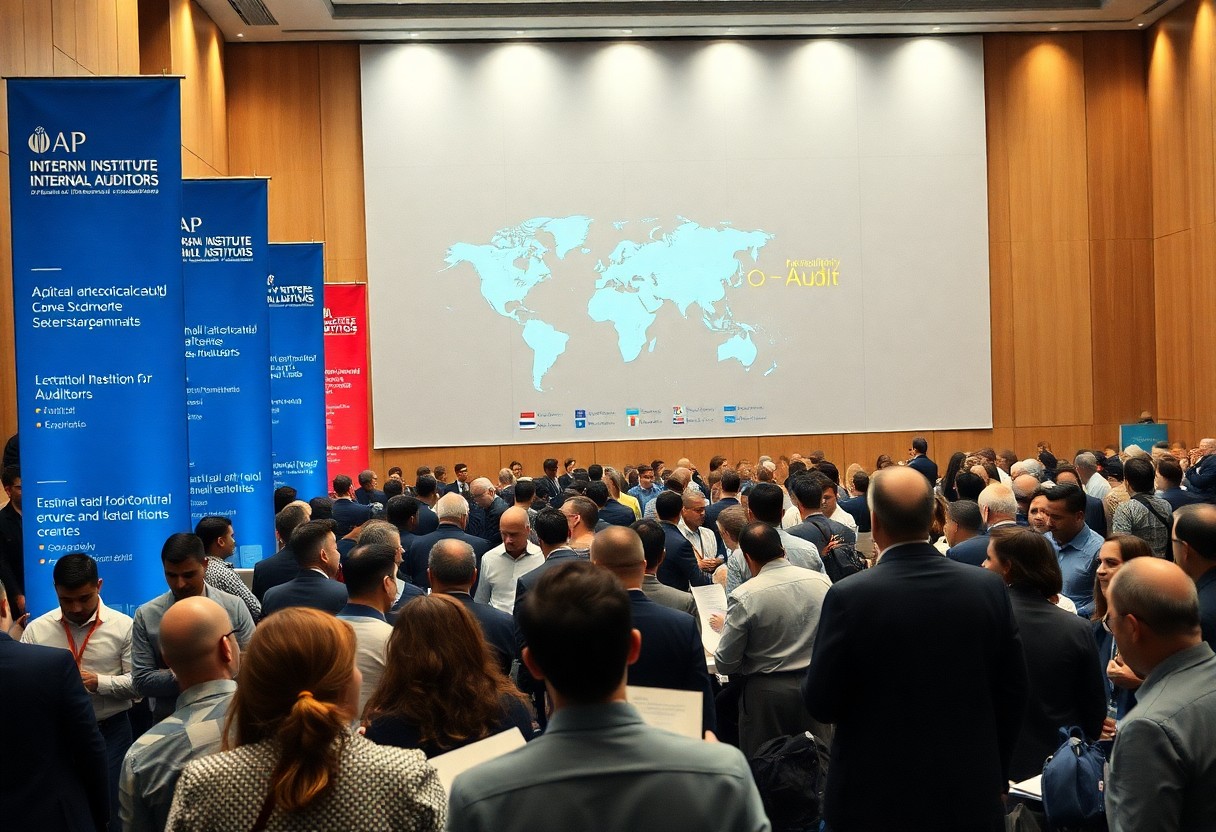
Historical Background of the Institute of Internal Auditors
The Institute of Internal Auditors (IIA) was established in 1941, driven by the need for standardization and professional recognition within the internal audit field. It began as a gathering of professionals seeking to share knowledge and develop a framework for internal auditing. Over the decades, the IIA has influenced the evolution of audit practices globally, advocating for integrity, accountability, and professionalism.
Foundation and Growth
The IIA's foundation was anchored in a commitment to enhancing internal auditing standards and developing a qualified pool of professionals. From its modest beginnings, the organization expanded both in membership and influence, leading the charge in advocating for best practices and creating educational resources for practitioners worldwide.
Evolution of Internal Audit Standards
Along the way, internal audit standards have undergone significant transformations, reflecting changes in the business environment and regulatory demands. The IIA has played a vital role in this evolution, continuously updating frameworks and guidelines to ensure they remain relevant and effective for practitioners.
Due to the dynamic nature of the business landscape and increasing complexity in governance, the IIA has adapted its standards to address emerging risks and challenges. This proactive approach ensures that your internal audit practices are aligned with global benchmarks, enabling you to provide value-added services and maintain organizational integrity. Continuous professional development and dialogue within the IIA community facilitate the sharing of innovative practices that enhance the overall quality of internal auditing.
Global Influence of the Institute
Assuming you explore the global influence of the Institute of Internal Auditors (IIA), you’ll discover how it provides a framework for audit standards that are recognized worldwide. The IIA’s commitment to promoting integrity and accountability sets the tone for internal audit practices around the globe. By aligning with various international standards, the IIA empowers you to navigate the complexities of a diverse business landscape effectively.
Advocacy for Best Practices
Beside its role in establishing standards, the IIA advocates for best practices in the internal audit profession, ensuring you are equipped with the latest methodologies and tools. This advocacy informs you about industry trends, enhancing your effectiveness and credibility as an internal auditor.
International Collaboration
International collaboration among audit professionals is key to fostering a harmonized approach to internal auditing. By engaging with peers across borders, you gain insights into diverse practices and challenges, enriching your perspective and enhancing your skills.
The IIA facilitates this collaboration through workshops, conferences, and global networks, encouraging you to share knowledge and experiences. Such interactions not only expand your professional connections but also help you stay updated on emerging practices. This collective effort promotes the advancement of the internal audit profession worldwide, allowing you to contribute to a standardized approach that elevates the profession as a whole.
Development of Audit Standards
One key aspect of the internal audit profession is the continuous development of audit standards, which serves as a foundation for effective auditing practices worldwide. The Institute of Internal Auditors (IIA) plays a pivotal role in this process by creating a structured approach to ensure that your auditing processes align with global expectations, promoting consistency and reliability across the profession.
Frameworks Established
Frameworks established by the IIA provide you with a comprehensive guide for implementing effective audit processes. These frameworks encompass a wide range of best practices and principles designed to enhance your audit function. By integrating such frameworks, you can ensure that your audit activities are aligned with internationally recognized standards, facilitating improved performance and accountability.
Key Guidelines and Principles
On a foundational level, key guidelines and principles offered by the IIA serve as necessary tools for your auditing activities. These guidelines outline the expectations for ethical behavior, professional competence, and the overall effectiveness of the internal audit process. By adhering to these principles, you can enhance the credibility and value of your audit, ensuring that it meets the needs of stakeholders.
Due to the emphasis on these guidelines, you can significantly elevate the quality of your audit practices. By implementing the IIA’s principles, you ensure that your audit activities are not only compliant but also drive organizational improvement. This alignment with best practices helps strengthen your role within the organization and fosters greater trust among stakeholders in the integrity and effectiveness of your work.
Impact on the Audit Profession
Your understanding of the audit profession is enriched by the Institute of Internal Auditors (IIA), which plays a pivotal role in establishing global audit standards. The IIA's influence extends beyond mere compliance, fostering a culture of accountability that resonates throughout the industry. By advocating for best practices and continuous improvement, the IIA shapes how auditors approach risk management and governance, ultimately enhancing the value they provide to organizations.
Professional Standards and Ethics
Above all, the IIA emphasizes the importance of professional standards and ethical behavior in the audit profession. These standards serve as a foundation for maintaining integrity, objectivity, and professionalism in auditing practices. With an ethical framework, you can ensure that your work meets the expectations of stakeholders and contributes positively to organizational success.
Enhancing Auditor Competence
Audit professionals must continually update their skills and knowledge to remain effective in a rapidly evolving landscape. The IIA provides comprehensive resources, training, and certification programs that strengthen your expertise and allow you to address emerging challenges in auditing.
At the core of auditor competence enhancement is the IIA's commitment to professional development. Through specialized training and certification, you gain access to the latest methodologies, tools, and best practices. This not only improves your technical skills but also fortifies your ability to adapt to changes in regulations and market dynamics, thereby increasing your value as an auditor in the global arena.
Challenges Facing the Institute
Not only does the Institute of Internal Auditors navigate complex regulatory landscapes, but it also confronts issues such as inconsistent audit practices among member countries and the need for continuous education in emerging technologies. As your organization grapples with these challenges, the Institute must evolve to maintain its relevance and effectiveness in promoting strong audit standards globally.
Adapting to Technological Changes
One of the primary hurdles you face is the rapid evolution of technology impacting internal auditing processes. The Institute must equip auditors with the tools and knowledge needed to leverage data analytics, artificial intelligence, and cybersecurity measures for effective risk management and compliance.
Addressing Globalization
Challenges arise as you face the increasing complexity of global operations, requiring the Institute to harmonize audit practices across diverse regulatory environments. To effectively address globalization, the Institute must foster collaboration among international stakeholders, standardize audit frameworks, and create educational resources that cater to the unique needs of various regions. This approach ensures your organization's internal auditors are well-prepared to navigate the intricacies of a global marketplace while maintaining consistency and quality in audit practices.
Future Directions for Audit Standards
Unlike traditional frameworks, future audit standards will increasingly emphasize adaptability and responsiveness to the dynamic business environment. You can expect a shift toward standards that not only address current risks but also anticipate emerging challenges, ensuring that your audit practices remain relevant and effective.
Innovations on the Horizon
The integration of technology in audit processes will reshape your approach to compliance and risk management. You will likely see advancements such as artificial intelligence and data analytics becoming mainstream tools, allowing for more efficient audits and deeper insights into organizational risks.
Strategies for Continual Improvement
At the heart of an effective auditing practice is the commitment to ongoing enhancement of standards and processes. You should focus on fostering a culture of continuous learning, regularly updating your skill sets, and actively engaging with industry developments to keep your knowledge current.
With a proactive stance on continual improvement, you can implement feedback loops that facilitate regular assessment of your audit strategies. Encourage collaboration within your team to share insights and lessons learned, which will lead to more robust audit methodologies. Additionally, staying informed about global trends and regulatory changes will ensure your practices evolve in alignment with industry expectations.
Final Words
Upon reflecting, you can appreciate that the Institute of Internal Auditors plays a pivotal role in shaping global audit standards, ensuring consistency, integrity, and professionalism across the industry. By providing comprehensive guidelines and resources, the Institute empowers you to enhance your audit practices, adapt to evolving challenges, and maintain alignment with international benchmarks. Your commitment to these standards not only elevates your professional integrity but also strengthens the overall efficacy of the audit profession worldwide.
FAQ
Q: What is the Institute of Internal Auditors (IIA)?
A: The Institute of Internal Auditors (IIA) is an international professional association that provides guidance, standards, and certification for internal auditors globally.
Q: How does the IIA influence global audit standards?
A: The IIA influences global audit standards by developing the International Standards for the Professional Practice of Internal Auditing (Standards) and advocating for their adoption across various organizations and jurisdictions.
Q: What is the importance of the IIA’s International Standards?
A: The IIA's International Standards serve to establish a framework for internal audit practices, ensuring consistency, quality, and reliability in the internal audit profession worldwide.
Q: How does the IIA support internal auditors in implementing these standards?
A: The IIA provides training, certification programs, resources, and tools to assist internal auditors in understanding and effectively implementing the International Standards.
Q: In what ways does the IIA engage with other global organizations?
A: The IIA collaborates with regulatory bodies, professional organizations, and educational institutions to promote the adoption of audit standards and improve the overall quality of internal auditing around the world.


0 Comments