With a well-structured budget sheet, you can take control of your finances, ensuring that you stay organized and effectively manage your spending. This guide will walk you through the vital steps to create a personalized budget sheet that suits your lifestyle, enabling you to track your income, expenses, and savings goals. By implementing these strategies, you’ll gain valuable insights into your financial habits and make informed decisions that foster long-term financial stability.
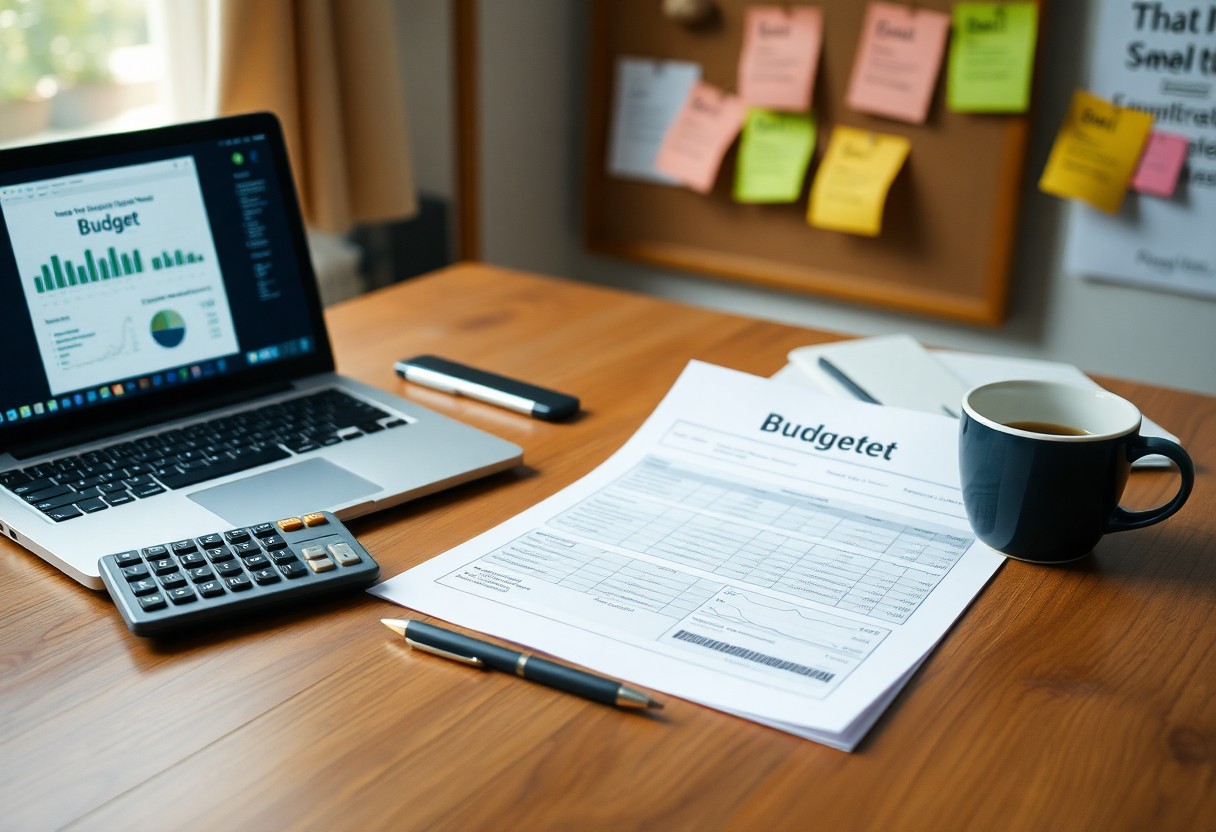
Understanding the Importance of a Budget Sheet
While budgeting may seem tedious, it is an important tool for gaining financial clarity and control. A well-structured budget sheet allows you to track income and expenses, helping you make informed decisions about your money. By understanding your spending patterns, you can identify areas for improvement, set realistic financial goals, and ultimately secure your financial future.
Benefits of Budgeting
Behind every successful financial strategy lies effective budgeting. By creating a budget, you can prioritize your expenses, reduce debt, and increase savings. This process not only enhances your awareness of your financial health but also encourages disciplined spending habits that can lead to long-term stability and peace of mind.
Common Budgeting Mistakes
Beside strengths, you should also be aware of potential pitfalls in budgeting. Many individuals underestimate their expenses or fail to account for irregular costs, leading to budget imbalances. Additionally, not reviewing and adjusting your budget regularly can hinder your ability to track your progress effectively.
Also, neglecting to include all sources of income or committing to overly ambitious savings goals are frequent missteps. These errors can create frustration and lead you to abandon your budgeting efforts altogether. By recognizing these mistakes, you can create a more realistic and sustainable budget that aligns with your financial aspirations.
Choosing the Right Format for Your Budget Sheet
Even the best budget can falter if the format doesn’t suit your needs. Whether you prefer digital or paper, select a format that aligns with your lifestyle and personal preferences. A well-organized budget sheet should enhance your financial management, so consider how you plan to use it daily. Assess factors like accessibility, ease of use, and the frequency of updates to find the most effective format.
Digital vs. Paper Budget Sheets
Budget sheets can be created in either digital or paper formats, each offering distinct advantages. Digital formats provide easy updates, accessibility from multiple devices, and automated calculations, perfect for tech-savvy users. Conversely, paper budget sheets can offer a tactile feel and allow for focused reflection without screen distractions, making them ideal for those who appreciate physical documentation.
Popular Budgeting Tools and Software
An array of budgeting tools and software options can enhance your financial management. Applications like Mint, YNAB (You Need a Budget), and EveryDollar offer user-friendly interfaces and various features to streamline your budgeting process. They can help track spending, set goals, and generate reports, making it easier for you to adjust your budget as needed. Choose the tool that best fits your financial habits and ensure it integrates well with your planning approach.
Format is key when selecting budgeting tools and software. Look for features tailored to your preferences, such as the ability to create categories, set alerts for overspending, and sync with your bank accounts. Some tools are more interactive, offering charts and graphs to visualize your progress, while others may prioritize simplicity and ease of use. Choose a format that engages you and promotes consistent budgeting habits, ensuring you stay on top of your financial goals.
Gathering Your Financial Information
Assuming you've decided to take control of your finances, the first step is gathering relevant financial information. This includes documents like bank statements, pay stubs, and any invoices or bills you receive. Having a clear picture of your financial situation allows you to make informed decisions while creating your budget sheet.
Identifying Income Sources
Any income you receive plays a vital role in your budgeting process. Look closely at your paycheck, bonuses, freelance earnings, and any other income streams. It’s crucial to account for all sources to ensure your budget reflects your true financial capabilities.
Tracking Your Expenses
On the other hand, tracking your expenses is equally important in managing your finances. Keeping a detailed record of every expense helps you understand where your money goes each month. This insight is key in identifying areas where you can cut back and save more effectively.
Identifying your spending habits can be eye-opening. Consider using apps or spreadsheets to categorize your expenses, from necessities such as rent and utilities to discretionary spending like entertainment and dining out. Regular tracking provides clarity, allowing you to adjust your spending patterns and stay aligned with your financial goals.
Creating Your Budget Categories
Your budget categories should reflect your spending habits and priorities. Group your expenses into clear categories such as housing, transportation, groceries, entertainment, and savings. This organization allows you to visualize where your money goes and highlights areas where adjustments can be made. Properly defined categories help you maintain focus and streamline your budgeting process, ensuring that you can effectively manage your finances.
Essential vs. Non-Essential Expenses
Behind every successful budget are imperative and non-imperative expenses. Essential expenses include necessary items such as rent, utilities, and groceries that you must cover to maintain your lifestyle. Non-imperative expenses, like dining out and entertainment, provide comfort but are not required. Distinguishing between these two categories enables you to prioritize spending and identify areas for potential savings.
Setting Realistic Spending Limits
Behind effective budgeting is the practice of setting realistic spending limits. This means analyzing your income and allocating specific amounts to each budget category based on what you can feasibly spend without compromising your financial stability. By doing so, you create a structure that encourages responsible spending and prevents overspending, ensuring that your budget remains achievable and effective in the long term.
Creating realistic spending limits requires a clear understanding of your monthly income and imperative expenses. Start by reviewing past spending habits to gauge how much you usually allocate to each category. Consider setting limits that allow flexibility for unforeseen expenses while encouraging disciplined spending. This strategic approach not only helps you avoid financial strain but also fosters a healthier relationship with your finances.
Analyzing and Adjusting Your Budget
Despite your best efforts to create a budget, it may not always work perfectly. Regular analysis of your financial performance is important to identify trends, areas for improvement, and spending habits that require adjustment. By continuously monitoring your budget, you gain insights that help refine your financial plan, ensuring it remains aligned with your goals and lifestyle changes.
Reviewing Monthly Spending
On a monthly basis, take time to thoroughly review your spending habits. This involves comparing your actual expenditures against your budgeted amounts. This practice allows you to see where you may have overspent, identify patterns in your expenses, and make informed decisions on how to adjust your budget moving forward.
Making Adjustments for Future Months
By analyzing your previous month’s spending, you can pinpoint areas that require changes. Perhaps certain categories consistently exceed your budget, or unexpected expenses arise. Adjust your budget by reallocating funds to high-priority areas or reducing spending in less important categories to improve your financial management.
Even minor adjustments can have a significant impact on your overall financial health. Consider incorporating a buffer for unexpected expenses or increasing savings contributions when surpluses are identified. Adjusting your budget based on real spending patterns not only aids in better financial control but also fosters a sense of accountability and commitment towards achieving your financial goals.
Staying Committed to Your Budget
Unlike fleeting resolutions, committing to your budget requires ongoing focus and motivation. Establishing clear goals and tracking your progress fosters accountability, ensuring you stick to your financial plan. Regularly reviewing your budget helps you remain aligned with your spending limits, making adjustments as necessary for unexpected expenses. Consistency is key; by actively engaging with your budget, you reinforce your dedication to financial discipline.
Strategies for Discipline
On your journey to budget adherence, implementing strategies like setting up regular check-ins and creating visual reminders can enhance your discipline. Identify specific triggers that lead to overspending and develop targeted strategies to address them. Additionally, consider benefits tied to achieving your financial goals, which can provide the motivation needed to stay the course.
Tools to Help You Stay on Track
Behind successful budgeting lies an array of tools designed to simplify and enhance your financial management. Budgeting apps and spreadsheets can track expenses, set reminders for bill payments, and allow you to analyze your spending habits. These tools not only streamline your budgeting process but also provide insights that help you make informed financial decisions.
Staying equipped with the right tools can significantly improve your budgeting experience. Utilize budgeting apps like Mint or YNAB to automate tracking and get real-time updates on your finances. Spreadsheets can offer a more personalized approach, allowing you to customize categories and projections. By leveraging these tools, you ensure that managing your budget becomes more efficient and less overwhelming, ultimately supporting your goal to maintain financial control.
Conclusion
From above, creating a budget sheet that aids in organizing and managing your spending involves careful tracking of income and expenses, setting realistic financial goals, and adjusting as necessary. By categorizing your expenses and reviewing your budget regularly, you can make informed decisions that align with your financial objectives. Utilize digital tools or templates to streamline the process, ensuring that maintaining your budget becomes an integral part of your financial routine. With a structured approach, you can achieve better control over your finances, leading to greater financial stability and peace of mind.
FAQ
Q: What is a budget sheet and why is it important?
A: A budget sheet is a document that outlines your income and expenses, helping you track your financial situation. It is important because it provides clarity on your spending habits and assists in making informed financial decisions.
Q: What sections should I include in my budget sheet?
A: Your budget sheet should include sections for income, fixed expenses, variable expenses, savings, and discretionary spending. This structure allows you to see where your money goes each month.
Q: How can I set realistic budget goals?
A: Start by analyzing your previous months' spending, identifying important and non-important expenses. Based on this analysis, set specific, measurable goals for each category to better control your finances.
Q: How often should I update my budget sheet?
A: It is advisable to update your budget sheet monthly or whenever there is a significant change in your income or expenses. Regular updates help maintain accuracy and ensure you stay on track financially.
Q: What tools can I use to create and manage my budget sheet?
A: You can use spreadsheet software like Microsoft Excel or Google Sheets, budgeting apps such as Mint or YNAB, or even simple pen and paper. The best tool is one that you find easy to use and fits your needs.


0 Comments